


A plumbing emergency is any condition involving uncontrolled water flow, sewage backup into living spaces, loss of water supply to the entire home, or a situation where immediate risk to the structure or the health of occupants exists. These conditions require same-day professional response.
The Insurance Information Institute reports that water damage and freezing account for nearly 24 percent of homeowner insurance claims, with an average claim cost of $11,650. The majority of those claims involve events that escalated from a manageable plumbing problem because response was delayed.
Homeowners in Littleton who experience a plumbing emergency can reach Emergency Plumbing Services Littleton CO for same-day response.
Knowing what constitutes an emergency and what to do in the first minutes determines how much damage occurs before help arrives.
What Are True Plumbing Emergencies?
Burst or Actively Leaking Pipe
A pipe that has burst or developed a significant leak releases water at supply pressure, which is typically 40 to 80 PSI in a residential system. At that pressure, even a small break releases large volumes of water quickly.
The immediate response is to shut off the water supply at the main shutoff valve. This stops the flow while you arrange for repair. Every household member should know the location of the main shutoff before an emergency requires finding it under stress.
Sewage Backup Into Living Areas
Sewage that backs up through floor drains, toilets, or tub drains into living spaces is a Category 3 water event: the most hazardous classification for water intrusion. Sewage contains pathogens, bacteria, and waste that pose direct health risks to occupants.
Do not use any fixtures in the home during an active sewage backup. Do not attempt to clean the affected area without appropriate protective equipment. This is an emergency that requires professional response for both the plumbing and the remediation.
No Water to the Entire Home
Complete loss of water supply, when confirmed that the problem is not a utility issue, indicates a main line shutoff that tripped, a pressure regulator failure, or a main line break. A home without water cannot function. This is an emergency condition.
Water Heater Failure With Pooling
A water heater that is pooling water around its base has either a failed temperature and pressure relief valve or a crack in the tank. Either condition can progress rapidly. Shut off the cold water supply to the water heater and turn off the gas or electrical supply to the unit before calling for service.
Any Plumbing Situation Near Electrical Components
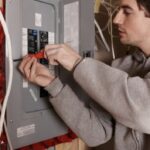
Water and electricity in combination represent an immediate danger. If a leak is occurring near an electrical panel, outlet, switch, or wiring, turn off the circuit breakers serving the affected area before entering the space. This is not a decision to delay.
What Can Wait Until Business Hours?
Not every plumbing problem requires emergency response. These conditions are real issues, but not emergencies:
A dripping faucet wastes water but does not risk structural damage. Schedule a repair during business hours.
A running toilet that is not overflowing loses water continuously but does not create damage risk. Schedule a repair at your convenience.
A slow drain that has developed gradually and is still draining, however slowly, is not an emergency. Schedule a professional cleaning.
Reduced water pressure at one fixture but not others indicates a fixture-level problem. Not an emergency.
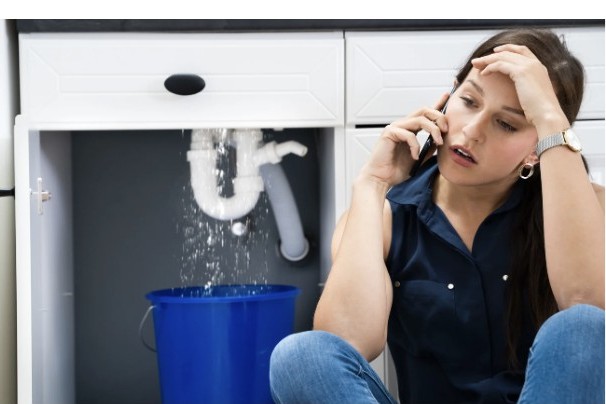
A leaking supply line under a sink that is dripping, not flowing, can be managed temporarily by shutting off the fixture’s individual shutoff valve. Schedule repair during normal hours.
What Should You Do in the First Five Minutes of a Plumbing Emergency?
Minute 1: Stop the water. Shut off the supply at the most accessible point. For a localized leak, this may be the shutoff valve under the affected fixture. For a burst main line or an unknown source, shut off the main.
Minute 2: Cut power near water. If water has reached or is approaching electrical components, turn off the circuit breakers for the affected area at the panel. Do not enter standing water near electrical outlets without doing this.
Minute 3: Document the situation. Take photographs of the source, the visible extent of water, and any damage visible at that moment. This documentation supports an insurance claim and helps the arriving technician assess the scope immediately.
Minute 4: Remove standing water manually. Use towels, mops, and a wet vacuum if available to remove surface water from flooring. The faster porous materials dry, the less secondary damage occurs.
Minute 5: Call for professional response. With the immediate situation contained, contact an emergency plumber with the details of what you found and what you have already done.
What Information Should You Have Ready When Calling?
When you call for emergency plumbing service, the dispatcher will need:
- Your address and the best contact number
- A description of the problem: burst pipe, sewage backup, no water, etc.
- Whether you have shut off the water supply
- Whether there is any electrical concern
- Whether anyone in the home has been exposed to sewage or standing water
Clear information about the situation allows the dispatched technician to arrive with the right equipment for your specific problem.
Conclusion
A plumbing emergency involves uncontrolled water, sewage in living spaces, or conditions that risk structural damage or occupant health. These situations require immediate response. Everything else can be scheduled.
The first five minutes of a plumbing emergency determine how much damage accumulates before professional help arrives. Shutting off the water supply, protecting electrical systems, and documenting the situation are the actions that make the most difference in that window.
Knowing what to do before it happens is the preparation that reduces the cost of the event when it occurs.