


Introduction
The startup world is often associated with venture capital, angel investors, and large funding rounds. However, not every successful company begins with millions of dollars in outside investment. Many entrepreneurs build their businesses using their own resources, careful budgeting, and steady revenue growth. This approach is commonly known as a startup booted or bootstrapped startup.
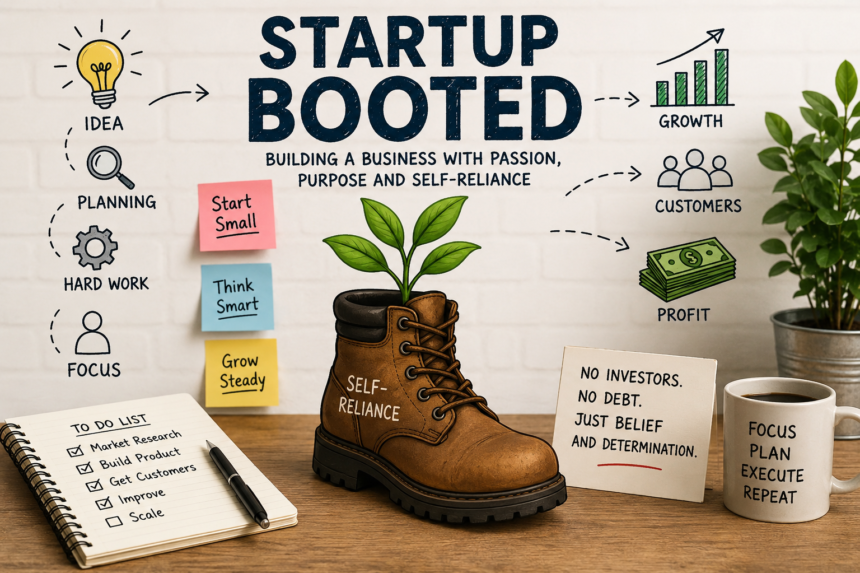
A startup booted business focuses on financial independence from the beginning. Instead of relying on investors, founders invest their own money, generate early sales, and reinvest profits to grow the company. While this method requires patience and discipline, it allows entrepreneurs to maintain complete control over their vision.
What Is a Startup Booted Business?
A startup booted company is a business that is launched and expanded without significant outside funding. The founders finance operations using personal savings, business income, or small loans if necessary.
Rather than raising venture capital, bootstrapped startups prioritize generating revenue quickly. Every expense is carefully planned because available funds are limited. This financial discipline often creates stronger business habits and sustainable growth.
Many successful businesses started as bootstrapped companies before becoming globally recognized brands.
Why Entrepreneurs Choose Bootstrapping
There are several reasons why founders prefer the bootstrapped approach.
Full Ownership
One of the biggest advantages is retaining complete ownership of the company. Since there are no outside investors, founders make all major business decisions without external pressure.
Greater Flexibility
Bootstrapped startups can adapt quickly to changing market conditions. Without investor expectations, entrepreneurs have more freedom to experiment with products, pricing, and marketing strategies.
Financial Discipline
Limited resources encourage smarter spending. Every investment must deliver measurable value, helping businesses avoid unnecessary expenses.
Customer-Focused Growth
Since revenue is essential for survival, bootstrapped startups often prioritize customer satisfaction. Happy customers generate repeat business and positive word-of-mouth marketing.
Challenges of a Startup Booted Business
Although bootstrapping offers many benefits, it also comes with challenges.
Limited Capital
Without investor funding, businesses may struggle to purchase equipment, hire employees, or expand quickly.
Slower Growth
Growth often depends on business profits, making expansion slower compared to venture-funded competitors.
Personal Financial Risk
Founders frequently use personal savings to launch their businesses. If the startup fails, they may experience financial losses.
Heavy Workload
Bootstrapped entrepreneurs often handle multiple responsibilities, including marketing, customer service, accounting, product development, and sales.
Strategies for Building a Successful Bootstrapped Startup
Entrepreneurs can improve their chances of success by following proven strategies.
Start Small
Instead of launching a complex business immediately, begin with a simple product or service that solves a real customer problem.
Validate the Market
Before investing heavily, test your idea with potential customers. Early feedback helps improve the product while reducing financial risk.
Focus on Revenue
Generating income should be a top priority. Early sales provide cash flow that supports future growth without outside investment.
Control Expenses
Spend only on essential business needs. Free software, affordable marketing methods, and remote work can significantly reduce costs.
Build Strong Customer Relationships
Excellent customer service creates loyal buyers who recommend your business to others. Referrals can become one of the most effective marketing channels.
Marketing Tips for Bootstrapped Startups
Marketing does not always require a large budget.
Useful low-cost strategies include:
-
Creating valuable blog content
-
Building an active social media presence
-
Using email marketing
-
Optimizing for search engines (SEO)
-
Networking within your industry
-
Encouraging customer referrals
-
Publishing educational videos
-
Participating in online communities
These methods require time more than money, making them ideal for startup booted businesses.
Common Mistakes to Avoid
Many bootstrapped startups fail because of avoidable mistakes.
Ignoring Customer Feedback
Listening to customers helps improve products and services. Ignoring feedback may result in losing valuable clients.
Expanding Too Quickly
Rapid expansion without sufficient cash flow can create financial problems.
Poor Cash Flow Management
Even profitable businesses can struggle if cash flow is not monitored carefully.
Trying to Do Everything Alone
While founders often wear multiple hats, outsourcing specialized tasks like accounting or graphic design can improve efficiency.
Industries Where Bootstrapping Works Well
Bootstrapping is particularly effective in industries with relatively low startup costs.
Popular examples include:
-
Software development
-
Digital marketing agencies
-
Freelancing
-
Online education
-
Blogging
-
Consulting
-
Graphic design
-
Web development
-
E-commerce
-
Content creation
These businesses often require skills more than expensive equipment.
Signs Your Startup Is Ready to Grow
As revenue increases, bootstrapped companies can gradually invest in expansion.
Growth indicators include:
-
Consistent monthly profits
-
Increasing customer demand
-
Strong customer retention
-
Positive cash flow
-
Repeat purchases
-
Efficient business operations
At this stage, founders may hire employees, launch new products, or expand into additional markets while maintaining financial stability.
Final Thoughts
A startup booted business proves that success does not always require large investments or venture capital. Through careful planning, disciplined spending, customer-focused growth, and continuous improvement, entrepreneurs can build profitable companies while maintaining complete ownership.
Although the journey may take longer than a heavily funded startup, bootstrapped businesses often develop stronger financial habits, deeper customer relationships, and greater long-term sustainability. For aspiring entrepreneurs willing to work hard, stay patient, and focus on delivering real value, bootstrapping remains one of the most rewarding paths to building a successful business.