



Introduction
Petrobas is one of the largest energy companies in the world and a major player in the global oil and gas industry. Officially known as Petróleo Brasileiro S.A., Petrobras was founded in 1953 by the Brazilian government with the goal of developing the country’s petroleum resources and reducing dependence on foreign energy supplies. Over the decades, the company has grown into a multinational corporation that operates across the entire energy value chain, including exploration, production, refining, transportation, and distribution.
Today, Petrobras is recognized not only for its significant contribution to Brazil’s economy but also for its technological innovations in offshore oil exploration. The company has become a symbol of Brazil’s industrial development and energy independence, playing a critical role in meeting the nation’s energy demands while competing in international markets.
History and Foundation
The creation of Petrobras was the result of a national movement known as “O Petróleo é Nosso,” which translates to “The Oil is Ours.” This movement emphasized the importance of national control over Brazil’s oil resources. In response, the Brazilian government established Petrobras as a state-controlled company responsible for oil exploration and production.
During its early years, Petrobras focused on building the infrastructure needed to support domestic oil production. The company invested heavily in refineries, pipelines, and research facilities. As Brazil’s economy expanded, so did Petrobras, becoming a cornerstone of the nation’s industrial growth.
Over time, the company diversified its operations and expanded internationally, entering markets across South America, Africa, and other regions. Despite changes in government policies and economic conditions, Petrobras remained a dominant force in Brazil’s energy sector.
Core Business Operations
Petrobras operates in several key segments of the energy industry. These include:
Exploration and Production
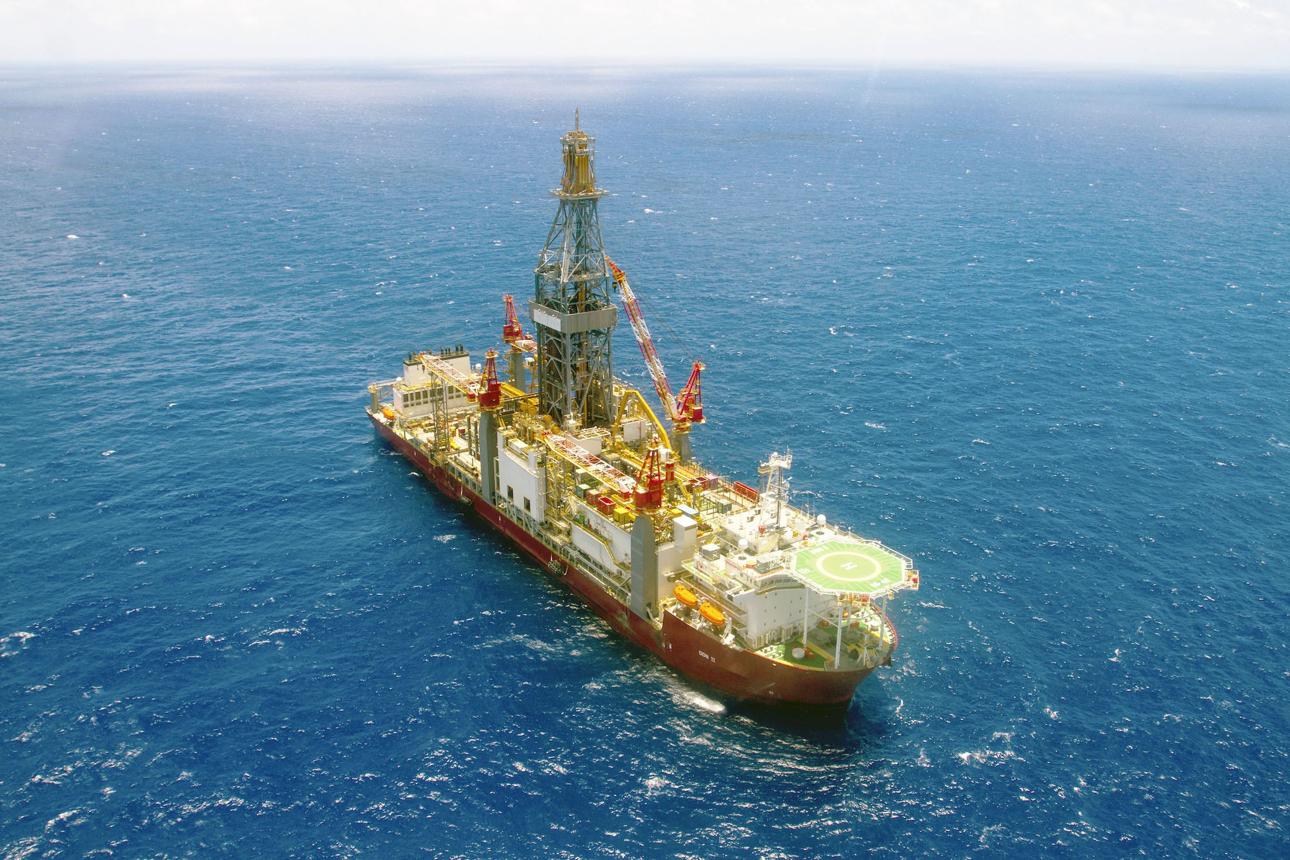
Exploration and production represent the largest portion of Petrobras’s business. The company searches for oil and natural gas reserves both onshore and offshore. Brazil’s offshore fields, particularly those located in deep-water and ultra-deep-water regions, are among the most productive in the world.
Petrobras has developed advanced technologies that allow it to extract oil from challenging underwater environments. These innovations have helped the company become a global leader in offshore drilling and production.
Refining and Processing
After crude oil is extracted, Petrobras processes it in its refineries. The company produces gasoline, diesel, jet fuel, lubricants, and other petroleum products used by consumers and industries. Refining operations help ensure a stable supply of fuel for Brazil’s transportation and industrial sectors.
Natural Gas and Energy
In addition to oil, Petrobras is involved in natural gas production and distribution. Natural gas plays an important role in electricity generation and industrial applications. The company also participates in projects related to renewable energy and energy efficiency as part of its long-term sustainability strategy.
Transportation and Logistics
Petrobras manages an extensive network of pipelines, terminals, and shipping facilities. These assets enable the efficient transportation of oil, gas, and refined products throughout Brazil and to international markets.
Technological Leadership
One of Petrobras’s greatest strengths is its commitment to innovation. The company invests heavily in research and development to improve efficiency, safety, and environmental performance.
Petrobras is particularly known for its expertise in deep-water and ultra-deep-water exploration. Operating in these environments requires sophisticated equipment and advanced engineering solutions. The company’s technological achievements have earned recognition from industry experts worldwide.
Research centers operated by Petrobras continuously work on developing new methods for drilling, production optimization, and emissions reduction. These innovations help the company remain competitive in a rapidly changing energy landscape.
Economic Importance
Petrobras has a significant impact on Brazil’s economy. As one of the country’s largest corporations, it generates substantial revenue, creates employment opportunities, and contributes to government income through taxes and dividends.
The company supports thousands of direct and indirect jobs across sectors such as engineering, construction, logistics, manufacturing, and services. Investments made by Petrobras often stimulate economic activity in regions where its projects are located.
Furthermore, Petrobras plays a vital role in Brazil’s energy security by ensuring reliable access to fuel and energy resources. This contribution is essential for supporting transportation, industry, and overall economic growth.
Challenges and Controversies
Like many large corporations, Petrobras has faced challenges throughout its history. Fluctuations in global oil prices can significantly affect profitability and investment plans. Economic downturns and changes in energy demand also influence company performance.
The company has also been involved in high-profile corruption investigations that attracted international attention. These events led to organizational reforms, enhanced compliance measures, and increased transparency initiatives. Petrobras has since worked to strengthen corporate governance and rebuild investor confidence.
Environmental concerns represent another important challenge. Oil and gas production can have ecological impacts, making sustainable practices and environmental protection key priorities for the company.
Sustainability and Future Outlook
As the global energy industry transitions toward lower-carbon solutions, Petrobras is adapting its business strategy. While oil and natural gas remain central to operations, the company is increasingly focusing on sustainability and emissions reduction.
Petrobras is investing in cleaner technologies, operational efficiency, and renewable energy opportunities. Efforts include reducing greenhouse gas emissions, improving energy efficiency, and exploring alternative energy sources.
The future of Petrobras will depend on its ability to balance profitability with environmental responsibility. By leveraging its technological expertise and strong resource base, the company aims to remain competitive in an evolving global energy market.
Conclusion
Petrobras stands as one of the most influential energy companies in the world and a cornerstone of Brazil’s economic development. From its origins as a state-owned enterprise to its position as a global energy leader, the company has played a crucial role in shaping Brazil’s energy landscape. Through innovation, large-scale operations, and continued investment in sustainability, Petrobras continues to contribute to energy production and economic growth. As the industry evolves, Petrobras faces both challenges and opportunities, making it a company that will remain important to the future of global energy.