



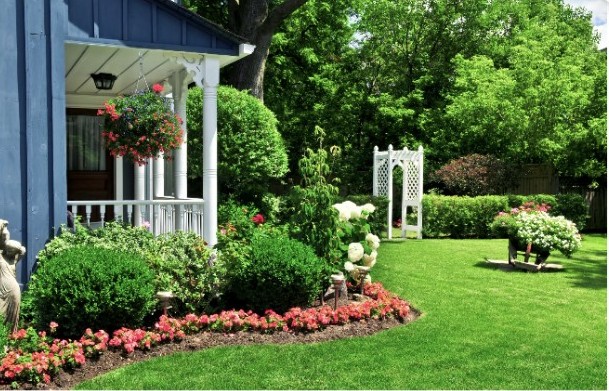
A yard that looks good for three months and struggles for the remaining nine is not a landscape design. It is a seasonal decoration.
Colorado’s climate presents specific challenges that most generic landscaping advice does not address: intense UV exposure, temperature swings of 50 degrees in a single day, periodic late-season snow, and limited rainfall in most of the Front Range. Plants and design choices that perform well in the Pacific Northwest or the Midwest often fail within two seasons in this environment.
According to the National Association of Realtors, landscaping improvements return between 100 and 200 percent of cost at resale. Making it one of the highest-return investments in home improvement. That return depends on a landscape that functions well rather than one that requires constant replacement.
Homeowners in Fort Collins who work with a landscape contractor fort collins colorado experienced in Colorado’s specific climate, produce yards that require less water, less maintenance, and less replacement than those designed with non-native plants and high-input systems.
Here is how to build a yard that performs across all four seasons.
What Plants Work Best in Colorado’s Front Range Climate?
Plants native to Colorado or the broader Rocky Mountain region perform best because they evolved in the same soil, rainfall, and temperature conditions in which they are being planted in.
Native and adapted plants for Front Range yards include:
Grasses: Blue grama, buffalo grass, and feather reed grass provide movement, texture, and low water requirements. Blue grama and buffalo grass can replace conventional turf in areas that do not need the foot traffic tolerance of Kentucky bluegrass.
Perennials: Salvia, catmint, agastache, yarrow, and echinacea bloom from late spring through fall and return every year with minimal intervention. They attract pollinators, resist drought once established, and tolerate the temperature extremes of Colorado’s growing season.
Shrubs: Rabbitbrush, Apache plume, serviceberry, and native currant provide structure, seasonal interest, and wildlife value through all four seasons. They require no supplemental irrigation after the first full growing season.
Trees: Gambel oak, honeylocust, and hackberry tolerate Colorado’s soil conditions and provide shade without the water requirements of species better suited to wetter climates.
How Do You Reduce Water Use in a Colorado Landscape?
Water is the primary cost and constraint in Colorado landscaping.
The state’s average annual rainfall ranges from 14 inches on the plains to higher elevations in the mountains. Conventional turf grass requires supplemental irrigation that adds significantly to summer water bills and contributes to regional water stress.
The practical steps to reduce water use:
Replace or reduce turf in low-use areas. Turf that exists primarily for appearance rather than foot traffic can be replaced with mulched planting beds, decomposed granite, or native groundcovers that use a fraction of the water.
Install a smart irrigation controller. Weather-based controllers adjust watering schedules based on rainfall, temperature, and evapotranspiration data. They reduce overwatering, which is the most common irrigation inefficiency in residential landscapes.
Mulch planting beds deeply. Three to four inches of wood chip mulch retains soil moisture, moderates soil temperature, and suppresses weeds. It reduces the irrigation frequency required in established planting beds by 30 to 50 percent.
Group plants by water need. A concept called hydrozoning places plants with similar water requirements in the same irrigation zone. High-water plants do not get underwatered because they share a zone with drought-tolerant species, and drought-tolerant plants do not get overwatered because they share a zone with thirsty ones.
How Do You Design for Year-Round Interest?
A yard that looks good year-round requires deliberate attention to each season during the design phase, not just the bloom season.
Spring: Bulbs planted in fall provide the first color. Tulips, daffodils, and grape hyacinth emerge before most perennials break dormancy and signal the start of the growing season.
Summer: Perennials carry the primary display from June through September. A succession of bloom times, early summer, midsummer, and late summer, ensures that something is flowering from June until frost.
Fall: Ornamental grasses reach their peak in fall, turning gold and amber as temperatures drop. Serviceberry and sumac provide fall color. Seed heads of coneflowers and black-eyed Susans extend visual interest after bloom.
Winter: Structure carries the yard through Colorado’s dormant months. Evergreen trees and shrubs, the architecture of deciduous branch structure, ornamental grasses left standing until spring cleanup, and berries on native shrubs all provide visual interest when the growing season has ended.
What Hardscape Elements Add the Most Value?
Hardscape, the non-plant elements of a landscape, provides the structure that makes a yard functional across seasons.
Patios and outdoor living areas extend the usable square footage of a home into the yard. A well-designed patio that connects to the interior through a back door creates an outdoor room that receives use from late spring through early fall in Colorado’s climate.
Defined pathways between functional areas, from the entry to the front door, from the house to the detached garage, from the patio to the vegetable garden, create order in a landscape and eliminate the mud paths that develop when the natural route between two points is unaddressed.
Retaining walls on sloped properties manage grade changes that would otherwise create erosion, difficult mowing, and planting challenges. A well-built retaining wall using natural stone or concrete block creates planting terraces that convert a problematic slope into usable landscape space.
Drainage swales and berms address water movement across the property. In Colorado’s periodic heavy rainfall events, unmanaged water movement erodes soil, deposits sediment in planting beds, and creates standing water near foundations.
What Maintenance Practices Extend Landscape Life?
A landscape is a living system that requires ongoing maintenance to perform at its designed level.
Annual mulch refresh replaces mulch that has decomposed over the previous season and maintains the weed suppression and moisture retention that mulch provides.
Spring cleanup and perennial cutback removes the previous season’s dead growth, prepares planting beds for the new growing season, and allows assessment of which plants need division or replacement.
Irrigation system check at the start of each season identifies heads that have shifted, lines that have broken over winter, and controllers that need seasonal adjustment.
Selective pruning and division of perennials and shrubs keeps established plants healthy and prevents the overcrowding that reduces flowering and creates conditions for disease.
Conclusion
A yard that performs in Colorado’s climate is designed for Colorado’s climate, not imported from a design magazine photographed in a milder region.
The plant selection, water management, seasonal interest, and hardscape elements all need to address the specific conditions of the Front Range: the UV intensity, the temperature variability, the limited rainfall, and the short growing season.
A landscape built on those principles requires less intervention, produces more consistent results, and holds its value through the full arc of the year rather than just the months when everything is in bloom.