


Introduction
Air travel is one of the safest forms of transportation, but unexpected situations can still occur during a flight. One recent incident that attracted attention involved EasyJet flight U2238, which was forced to make an emergency landing at Newcastle Airport while traveling from Copenhagen, Denmark, to Manchester, England. The event sparked concern among passengers and aviation observers, raising questions about what happened and how airlines respond to in-flight emergencies.
Overview of the Incident
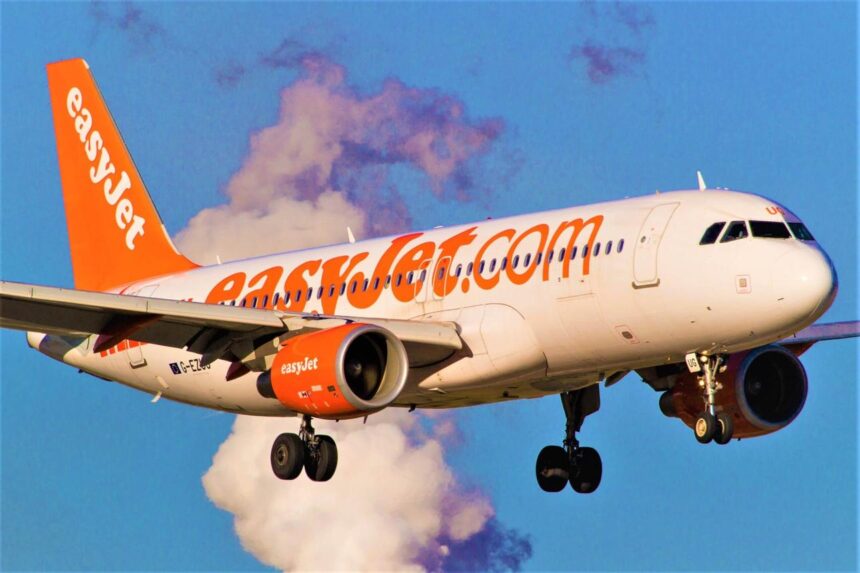
EasyJet flight U2238, also identified as EZY2238, was operating a scheduled route from Copenhagen to Manchester when the crew declared an emergency and diverted the aircraft to Newcastle Airport. Reports indicated that the diversion was necessary because of a passenger welfare issue, later confirmed to be a medical emergency involving a customer on board. The aircraft landed safely in Newcastle, where emergency medical services were waiting to provide assistance.
The flight had already departed Copenhagen later than originally planned. While en route to Manchester, the situation onboard required immediate attention, leading the pilots to select Newcastle Airport as the most suitable location for an unscheduled landing.
Why Flights Make Emergency Landings
Emergency landings can happen for a variety of reasons. Some of the most common causes include:
- Medical emergencies involving passengers or crew members
- Technical issues with aircraft systems
- Severe weather conditions
- Security concerns
- Smoke or unusual odors detected onboard
In the case of EasyJet flight U2238, available information suggests that the diversion was entirely related to a medical situation rather than a technical fault with the aircraft. The airline described the event as a passenger welfare issue requiring immediate action.
The Crew’s Response
Commercial airline crews receive extensive training to handle emergencies. When a medical issue becomes serious enough to threaten a passenger’s health, pilots can coordinate with air traffic control and medical professionals to determine the best course of action.
For flight U2238, the crew acted quickly by diverting to Newcastle Airport, ensuring the affected passenger could receive urgent medical care as soon as possible. Aviation experts often note that rapid decision-making is critical in such situations because every minute can make a difference during a medical emergency.
The successful diversion demonstrates how airlines prioritize passenger safety over schedules and operational convenience. Although diversions can cause delays and disruptions, protecting human life remains the primary concern.
Impact on Other Flights
Emergency diversions can also affect airport operations. Reports indicated that another aircraft approaching Newcastle had to adjust its operations while the EasyJet flight was given priority to land. Such procedures are standard practice in aviation, as aircraft dealing with emergencies receive immediate attention from air traffic controllers.
Once the aircraft landed safely, airport personnel and emergency responders were able to access the plane quickly. The affected passenger received the necessary medical assistance, and airport operations gradually returned to normal.
Passenger Experience During Diversions
For passengers, an emergency landing can be stressful and unexpected. Many travelers may not immediately know why the aircraft is changing course. Cabin crew members usually provide updates whenever possible while maintaining focus on the emergency.
Passengers aboard flight U2238 reportedly experienced an unscheduled stop in Newcastle before continuing their journey. Although delays are inconvenient, most travelers understand the importance of responding to medical emergencies.
Airlines often arrange additional support, including updated travel information, refreshments, or alternative transportation if significant delays occur.
EasyJet’s Statement
Following the incident, EasyJet apologized for the disruption and explained that the diversion occurred because of circumstances beyond the airline’s control. The company described the situation as a passenger welfare issue and emphasized that safety remains its highest priority.
This response is consistent with standard airline procedures, as carriers are required to take immediate action whenever a serious medical event occurs during a flight.
How Common Are Medical Diversions?
Medical emergencies are among the leading reasons for flight diversions worldwide. While millions of flights operate safely every year, airlines regularly encounter situations where passengers require urgent medical attention.
Common onboard medical issues include:
- Heart-related conditions
- Breathing difficulties
- Severe allergic reactions
- Fainting episodes
- Diabetic emergencies
Modern commercial aircraft carry medical kits and emergency equipment, and cabin crews are trained in first aid. However, some situations require professional medical treatment that can only be provided on the ground.
Aviation Safety Remains Strong
Incidents like the EasyJet U2238 emergency landing often generate headlines because they are unusual events. However, aviation safety systems are specifically designed to handle unexpected situations effectively.
Pilots, cabin crew, air traffic controllers, airport emergency teams, and medical responders work together to ensure passengers receive help when needed. The safe landing of flight U2238 in Newcastle highlights how these systems function in real-world conditions.
Conclusion
The emergency landing of EasyJet flight U2238 in Newcastle was the result of a medical emergency involving a passenger onboard. The crew’s prompt decision to divert the aircraft allowed emergency services to provide urgent assistance, demonstrating the aviation industry’s commitment to passenger safety above all else. While the incident caused delays and inconvenience for travelers, the successful handling of the situation reflects the professionalism of airline staff and emergency responders.
Events like this serve as a reminder that safety protocols exist for a reason. When emergencies occur, airlines are prepared to act quickly, ensuring that passengers receive the care and support they need while maintaining the highest standards of flight safety.