



Introduction
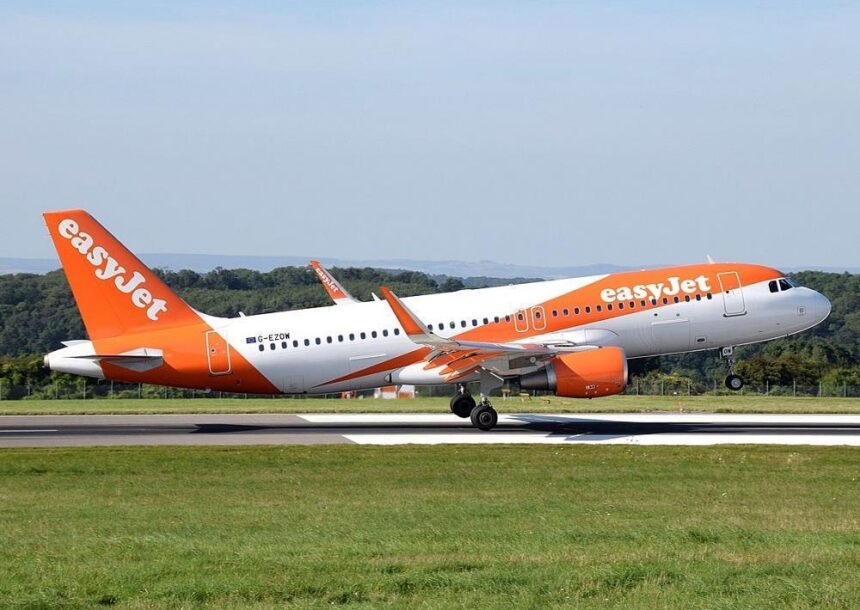
Air travel is widely regarded as one of the safest forms of transportation, but unexpected situations can still occur during a flight. One incident that attracted significant attention involved easyJet Flight U2238, which was forced to make an emergency landing in Newcastle while traveling from Copenhagen to Manchester. The event raised questions among passengers and aviation observers about the reasons behind the diversion and how airlines handle emergencies in the air.
Overview of the Incident
easyJet Flight U2238 was operating a scheduled route between Copenhagen, Denmark, and Manchester, United Kingdom. During the journey, the aircraft declared an emergency and diverted to Newcastle Airport instead of continuing directly to its intended destination. Reports indicated that the diversion was connected to a passenger welfare issue, which required immediate attention. The aircraft landed safely in Newcastle, where emergency and airport personnel were prepared to assist.
Although emergency landings can sound alarming, they are often precautionary measures taken to ensure the safety and well-being of passengers and crew. In this case, the decision to divert allowed medical assistance to be provided as quickly as possible.
Why Flights Are Diverted
Flight diversions happen for a variety of reasons. Some of the most common include:
- Medical emergencies involving passengers or crew members
- Technical issues with the aircraft
- Severe weather conditions
- Security concerns
- Airport operational problems
For Flight U2238, available information suggested that the emergency was related to a passenger welfare or medical issue onboard. Airlines treat such situations with the highest level of urgency because access to medical care can be critical.
The Decision to Land in Newcastle
When a medical emergency occurs during a flight, pilots work closely with air traffic control and airline operations teams to determine the most suitable airport for landing. Factors considered include:
- Distance to the nearest airport
- Availability of emergency services
- Weather conditions
- Airport operating status
- Aircraft fuel requirements
Newcastle Airport was identified as the best option for Flight U2238. The aircraft successfully landed there, allowing medical personnel to reach the affected passenger quickly. According to reports, the flight was later expected to continue its journey after necessary procedures and refueling were completed.
How Airlines Handle In-Flight Medical Emergencies
Modern airlines are trained to respond effectively when passengers experience health-related problems in the air. Cabin crew members receive extensive first-aid training and are equipped to handle a wide range of situations.
Aircraft are also equipped with emergency medical kits, first-aid supplies, and communication systems that allow crew members to seek medical advice from specialists on the ground when needed.
In serious cases, pilots may decide that the safest course of action is to divert the aircraft and land at the nearest suitable airport. While this can cause inconvenience to other passengers, airlines prioritize human safety above all other considerations.
Passenger Reactions and Safety Procedures
Whenever a flight declares an emergency, passengers may naturally feel anxious. However, aviation procedures are designed specifically to manage such situations safely and efficiently.
During an emergency diversion, passengers are usually informed about the situation through announcements from the captain and cabin crew. Ground services are alerted in advance so that emergency responders are ready upon arrival.
In the case of Flight U2238, the aircraft landed safely without reports of broader safety issues affecting the flight itself. The diversion demonstrated how established aviation protocols work to protect everyone onboard.
The Importance of Emergency Diversions
Although emergency landings often attract media attention, they are generally evidence that aviation safety systems are functioning correctly. Pilots are trained to make conservative decisions when passenger health or aircraft safety could be at risk.
Airlines would rather divert a flight and face operational delays than continue a journey that could place someone in danger. This safety-first approach has helped make commercial aviation one of the safest industries in the world.
Events like the Flight U2238 diversion remind travelers that emergency procedures exist for a reason. Rapid decision-making, coordination with air traffic control, and access to emergency services can make a significant difference during critical situations.
Conclusion
The easyJet Flight U2238 emergency landing in Newcastle was a precautionary response to a reported passenger welfare issue during a flight from Copenhagen to Manchester. The aircraft diverted safely, allowing immediate assistance to be provided while ensuring the safety of everyone onboard.
While emergency diversions may seem dramatic, they are a normal part of aviation safety procedures. The incident highlights the professionalism of flight crews, air traffic controllers, and emergency responders who work together to protect passengers when unexpected situations arise. Ultimately, the safe landing of Flight U2238 demonstrates the effectiveness of modern airline safety systems and the industry’s commitment to passenger welfare.