



Introduction
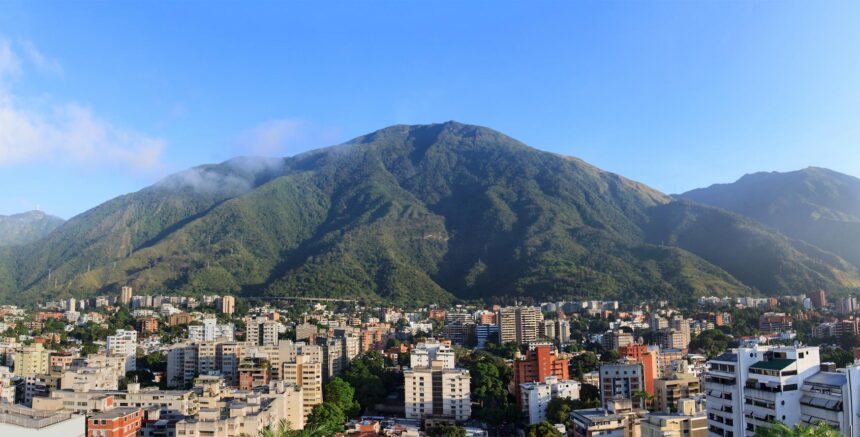
Venezuela is a remarkable country located on the northern coast of South America. Known for its vast oil reserves, stunning natural landscapes, and rich cultural heritage, Venezuela has played an important role in the history and development of the region. Despite facing economic and political challenges in recent years, the country remains a place of immense beauty and potential. From towering waterfalls and tropical beaches to vibrant cities and cultural traditions, Venezuela offers a unique story that continues to capture global attention.
Geographic Location and Natural Beauty
Venezuela shares borders with Colombia, Brazil, and Guyana, while its northern coastline stretches along the Caribbean Sea. The country is blessed with a diverse landscape that includes mountains, rainforests, rivers, plains, and coastal regions.
One of Venezuela’s most famous natural attractions is Angel Falls, the highest uninterrupted waterfall in the world. Located in Canaima National Park, this breathtaking destination attracts visitors from around the globe. The country is also home to the Orinoco River, one of South America’s largest river systems, which supports rich biodiversity and local communities.
The Andes Mountains extend into western Venezuela, creating spectacular scenery and cooler climates. Meanwhile, the vast Llanos plains are known for their wildlife and agricultural importance.
A Brief History of Venezuela
The history of Venezuela is closely linked to the struggle for independence in Latin America. Before European colonization, the region was inhabited by various Indigenous groups. Spanish explorers arrived in the late fifteenth century, and Venezuela became part of the Spanish Empire.
In the early nineteenth century, Venezuela became a center of the independence movement led by Simón Bolívar. Often called “The Liberator,” Bolívar played a key role in freeing several South American nations from Spanish rule. His legacy remains an important part of Venezuelan identity and national pride.
After achieving independence, Venezuela experienced periods of political change, economic growth, and social transformation that shaped the modern nation.
Venezuela’s Oil Wealth
Venezuela is widely recognized for possessing some of the largest proven oil reserves in the world. The discovery of petroleum in the twentieth century transformed the country’s economy and positioned it as a major global energy producer.
Oil exports generated significant revenue for decades, helping fund infrastructure projects, public services, and economic development. The energy sector became the foundation of the national economy and continues to play a major role today.
However, heavy dependence on oil also created vulnerabilities. When global oil prices declined, the country faced economic difficulties that affected government revenues and overall economic stability.
Economic Challenges and Recovery Efforts
Over the past decade, Venezuela has faced significant economic challenges. High inflation, declining oil production, shortages of goods, and political uncertainty contributed to a prolonged economic crisis.
These difficulties led many Venezuelans to seek opportunities abroad, creating one of the largest migration movements in modern Latin American history. Despite these challenges, efforts have been made to stabilize the economy and encourage investment in various sectors.
Some industries have shown signs of improvement, and there is ongoing discussion about economic reforms that could support long-term growth and recovery.
Venezuelan Culture and Traditions
Venezuelan culture is a vibrant blend of Indigenous, European, and African influences. This diversity is reflected in the country’s music, dance, food, art, and festivals.
Music plays a central role in Venezuelan life. Traditional styles such as joropo remain popular and are often performed during celebrations and cultural events. Family gatherings and community festivals are important aspects of social life throughout the country.
Venezuelan cuisine is equally diverse and flavorful. Popular dishes include:
- Arepas
- Pabellón Criollo
- Empanadas
- Hallacas
- Cachapas
These traditional foods are enjoyed across the country and form an essential part of Venezuelan identity.
Sports and National Pride
Sports hold a special place in Venezuelan society. Baseball is the most popular sport and has produced numerous internationally successful athletes. Many Venezuelan players have achieved recognition in professional baseball leagues around the world.
Football (soccer) has also grown rapidly in popularity, particularly among younger generations. International competitions often bring the nation together and inspire pride among fans.
Sports continue to serve as a source of unity and positive representation for Venezuela on the global stage.
Tourism Potential
Venezuela possesses enormous tourism potential thanks to its natural attractions and diverse environments. Visitors can explore Caribbean islands, tropical beaches, mountain ranges, waterfalls, and rainforests.
Some of the country’s most notable destinations include:
- Angel Falls
- Canaima National Park
- Los Roques Archipelago
- Margarita Island
- Mérida Mountains
These locations offer opportunities for adventure tourism, wildlife observation, photography, and cultural exploration.
Although tourism has faced challenges in recent years, many experts believe it could become an important contributor to future economic development.
The Future of Venezuela
Despite its difficulties, Venezuela remains a country with significant potential. Its abundant natural resources, strategic geographic location, and resilient population provide strong foundations for future growth.
Economic diversification, improved infrastructure, and political stability could help unlock new opportunities in sectors such as tourism, agriculture, technology, and manufacturing.
Many Venezuelans remain hopeful that the country can overcome its challenges and build a more prosperous future for coming generations.
Conclusion
Venezuela is a nation of extraordinary contrasts. It combines breathtaking natural beauty, rich cultural traditions, and vast natural resources with complex economic and political challenges. From the majestic Angel Falls to the vibrant spirit of its people, Venezuela continues to be one of South America’s most fascinating countries. Understanding Venezuela requires appreciating both its achievements and its struggles, as well as the resilience that defines its national character.