



Introduction
Aviation incidents often draw significant attention, especially when a commercial flight is forced to make an unscheduled landing. One such reported case involved easyJet flight U2238, which was diverted for an emergency landing at Newcastle upon Tyne. While emergency landings can sound alarming, they are usually precautionary measures taken to ensure passenger safety. In this case, the situation highlighted the importance of strict aviation safety protocols and the responsiveness of airport emergency services.
Flight Overview
EasyJet flight U2238 was operating as a scheduled commercial service under the airline’s European network. Like many of the airline’s routes, the flight was carrying passengers traveling for both business and leisure purposes. The aircraft was en route when the crew identified a technical or operational concern that required immediate attention.
Modern commercial aircraft are equipped with advanced monitoring systems that constantly provide real-time data to pilots. When any irregularity is detected—whether mechanical, hydraulic, or related to onboard systems—the flight crew is trained to evaluate the situation and take appropriate action. In the case of flight U2238, the decision was made to divert the aircraft as a precaution.
Emergency Situation in the Air
During the flight, the crew reportedly identified a situation that warranted an immediate change in course. Although the exact technical details were not publicly confirmed, such diversions are commonly linked to issues like cabin pressure alerts, minor engine warnings, or system malfunctions that require ground inspection.
The pilots followed standard aviation safety procedures, communicating with air traffic control and requesting permission to divert to the nearest suitable airport. Newcastle Airport was selected as the safest and most efficient landing option given its location and available emergency response infrastructure.
Passengers onboard were informed about the situation in accordance with airline safety protocols. Cabin crew members are trained extensively to manage such situations calmly, ensuring that passengers remain informed but not alarmed.
Response at Newcastle Airport
Once the emergency was declared, Newcastle Airport activated its emergency preparedness procedures. Airports in the United Kingdom maintain strict coordination with aviation authorities, fire services, and medical teams to handle unscheduled landings.
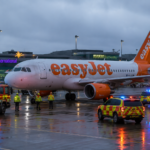
Emergency vehicles were placed on standby as the aircraft approached the runway. The landing itself was carried out under controlled conditions, with pilots following established safety protocols for precautionary diversions. The aircraft landed safely without further escalation of the issue.
After landing, ground engineers and safety inspectors began a detailed assessment of the aircraft to determine the cause of the reported issue. Such inspections are standard procedure following any unscheduled landing and are essential for ensuring that the aircraft is safe to return to service.
Passenger Experience
For passengers, emergency landings can be a stressful experience, even when handled smoothly. Reports from similar incidents often describe a mix of concern and relief once the aircraft lands safely.
In the case of flight U2238, passengers were reportedly kept informed throughout the diversion process. Cabin crew played a key role in maintaining calm and ensuring that all safety instructions were followed properly.
After landing in Newcastle, passengers were typically assisted by ground staff, who helped arrange onward travel or accommodation depending on the airline’s operational decisions. In most cases like this, airlines prioritize passenger welfare, offering rebooking options and support services.
Investigation and Safety Review
Following any emergency landing, aviation authorities and airline engineering teams conduct a thorough investigation. The purpose of this review is not only to identify the root cause of the issue but also to prevent similar occurrences in the future.
Aircraft maintenance logs, cockpit recordings, and onboard diagnostic data are all examined. If a technical fault is confirmed, engineers work to repair or replace affected components before the aircraft is cleared for service again.
easyJet, like all major airlines, operates under strict regulatory oversight. Safety is the highest priority in commercial aviation, and even minor irregularities are treated seriously to maintain passenger confidence and operational reliability.
Conclusion
The emergency landing of flight U2238 at Newcastle upon Tyne serves as a reminder of the aviation industry’s strong safety culture. While such incidents may initially appear concerning, they are often the result of precautionary decisions made by highly trained flight crews.
Thanks to coordinated efforts between pilots, air traffic controllers, and airport emergency teams, the situation was managed safely and effectively. No matter how routine air travel becomes, events like this highlight the importance of vigilance, training, and well-established safety systems that ensure passenger protection at every stage of a journey.