


Introduction
In today’s world, energy consumption has become a major concern for households, businesses, and governments alike. Rising electricity costs, growing environmental awareness, and the increasing use of smart devices have created a demand for innovative energy management solutions. One term that has recently gained attention in technology discussions is Wattip. While Wattip is still an emerging concept, it is often associated with smart energy monitoring systems that help users understand and optimize their electricity usage.
This article explores what Wattip is, how it works, its key benefits, and why it could play an important role in the future of energy management.
What Is Wattip?
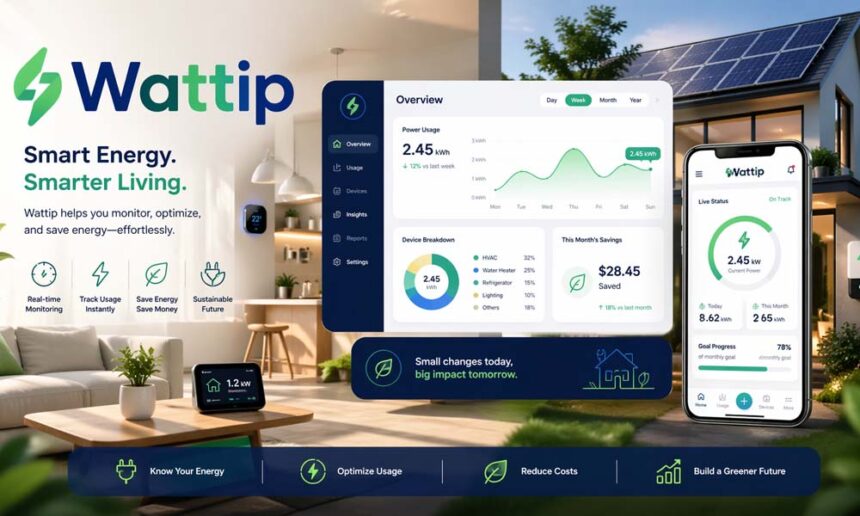
Wattip is commonly described as a smart energy monitoring platform designed to track electricity consumption in real time. The name appears to combine the word “watt,” which represents a unit of electrical power, with “tip,” suggesting helpful insights and recommendations for users.
The main purpose of Wattip is to provide clear information about how energy is being used in homes, offices, and commercial buildings. Instead of waiting for a monthly utility bill, users can monitor their energy usage continuously and identify opportunities to reduce waste and lower costs.
As smart home technology continues to evolve, solutions like Wattip are becoming increasingly relevant for people who want better control over their energy consumption.
How Wattip Works
The Wattip concept is based on collecting energy data and presenting it in a simple, understandable format. A typical Wattip system may include several components:
Energy Sensors
Special sensors are installed near electrical panels or connected to specific circuits. These sensors measure the amount of electricity being used by appliances and devices throughout a building.
Data Collection
The collected information is transmitted to a central platform, often through wireless connections or cloud-based systems. This allows energy data to be updated in real time.
Analytics Dashboard
Users can access a dashboard through a mobile app or web portal. The dashboard displays energy usage patterns, peak consumption periods, and estimated costs.
Smart Recommendations
One of Wattip’s most useful features is its ability to provide suggestions for improving energy efficiency. For example, it may identify appliances that consume excessive power or recommend better times to use energy-intensive equipment.
Benefits of Using Wattip
1. Lower Electricity Bills
One of the biggest advantages of Wattip is cost savings. By understanding exactly where energy is being used, users can make informed decisions that reduce unnecessary consumption.
For example, a homeowner may discover that an old refrigerator consumes significantly more electricity than expected. Replacing or repairing the appliance could lead to substantial savings over time.
2. Real-Time Monitoring
Traditional utility bills only provide a summary at the end of the month. Wattip offers continuous visibility into energy usage, allowing users to respond immediately to unusual spikes in consumption.
3. Environmental Sustainability
Reducing energy waste benefits both consumers and the environment. Lower electricity consumption means fewer greenhouse gas emissions and a smaller carbon footprint.
As sustainability becomes a global priority, smart energy monitoring systems can help individuals and organizations contribute to environmental conservation efforts.
4. Better Appliance Management
Wattip can help users identify which appliances consume the most energy. This information makes it easier to prioritize upgrades and maintenance activities.
Businesses can also use this data to improve operational efficiency and reduce overhead costs.
5. Data-Driven Decision Making
Energy data collected by Wattip enables smarter decisions regarding energy investments. Whether installing solar panels, upgrading lighting systems, or purchasing new equipment, users can base decisions on actual consumption patterns rather than estimates.
Wattip and Smart Homes
The growth of smart homes has created a perfect environment for technologies like Wattip. Modern households often include smart thermostats, connected appliances, automated lighting systems, and electric vehicle chargers.
By integrating with these devices, Wattip can provide a complete picture of household energy usage. Some advanced systems may even automate energy-saving actions, such as adjusting heating and cooling settings during peak demand periods.
This level of automation not only improves convenience but also maximizes energy efficiency.
Business Applications of Wattip
Wattip is not limited to residential use. Businesses can also benefit from detailed energy monitoring and analysis.
Office Buildings
Office managers can track energy consumption across departments and identify opportunities to reduce waste.
Manufacturing Facilities
Industrial operations often consume large amounts of electricity. Wattip can help identify inefficient equipment and optimize production schedules.
Retail Stores
Retail businesses can monitor lighting, refrigeration, and HVAC systems to control operating expenses more effectively.
By improving energy management, organizations can increase profitability while supporting sustainability goals.
Challenges and Considerations
Like any emerging technology, Wattip faces certain challenges.
Installation Costs
Some energy monitoring systems require specialized equipment and professional installation. Initial costs may discourage some users, although long-term savings can offset these expenses.
Data Privacy
Since Wattip collects detailed usage information, protecting user data is essential. Strong security measures are necessary to prevent unauthorized access.
User Education
To maximize benefits, users must understand how to interpret energy reports and act on recommendations. Simple interfaces and educational resources can help address this challenge.
The Future of Wattip
The future of Wattip looks promising as smart technology continues to advance. Artificial intelligence, machine learning, and Internet of Things (IoT) devices are expected to make energy monitoring systems even more powerful.
Future versions may predict energy usage, automate savings strategies, and integrate directly with renewable energy sources such as solar and wind power systems.
As energy efficiency becomes increasingly important worldwide, platforms like Wattip could become essential tools for managing electricity consumption.
Conclusion
Wattip represents a modern approach to energy management by providing real-time insights into electricity usage. Through smart monitoring, detailed analytics, and practical recommendations, it empowers users to reduce costs, improve efficiency, and support environmental sustainability.
Whether used in homes, offices, or industrial facilities, Wattip highlights the growing importance of data-driven energy management. As technology evolves, solutions like Wattip are likely to become a standard part of the smart and sustainable future.