



Introduction
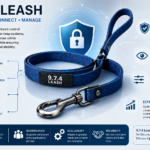
The term 9.7.4 leash may appear technical or unfamiliar at first glance, but it can be understood as a structured designation used in specific systems, projects, software environments, or organizational frameworks. While the exact interpretation may vary depending on the context in which it is used, the concept of a leash generally refers to a mechanism that provides control, guidance, limitation, or connection between different components.
In modern technology and management systems, structured identifiers such as 9.7.4 are often used to indicate versions, configurations, or categorized modules. When combined with the term “leash,” the phrase can symbolize a controlled connection that helps maintain order, reliability, and security within a process or system.
The Concept of a Leash
Traditionally, a leash is a physical strap used to guide and control movement. However, in technical and digital environments, the concept has evolved significantly. A leash can represent a set of rules, restrictions, permissions, or links that ensure a process remains within predefined boundaries.
For example, in software development, a leash may refer to limitations placed on applications, users, or automated systems to prevent unauthorized actions. In project management, it can symbolize oversight mechanisms that help teams remain aligned with goals and deadlines.
The idea behind any leash system is simple: provide enough freedom for functionality while maintaining sufficient control to ensure safety and effectiveness.
Understanding the 9.7.4 Designation
The numerical sequence 9.7.4 often resembles a versioning format commonly used in software and technology industries. Version numbers typically follow a pattern where:
- The first number represents a major release.
- The second number indicates a significant update.
- The third number refers to minor improvements or fixes.
In this context, 9.7.4 could represent a specific stage of development or deployment. If linked to a leash mechanism, it may indicate a particular configuration or implementation designed to manage interactions within a system.
Versioning helps organizations track changes, maintain compatibility, and identify improvements over time. It provides a clear reference point for developers, administrators, and users.
Applications of 9.7.4 Leash
A concept like 9.7.4 leash can have multiple applications across industries and technologies.
Software Development
In software environments, control mechanisms are essential for maintaining stability and security. A leash system may regulate:
- User permissions
- Resource access
- Automated processes
- Data transfers
- Application behavior
By implementing structured controls, developers can reduce errors and improve overall system performance.
Network Security
Cybersecurity relies heavily on restriction and monitoring systems. A leash framework may help control:
- Device communication
- Network traffic
- Access privileges
- Security policies
Such measures reduce vulnerabilities and protect sensitive information from unauthorized access.
Artificial Intelligence
As AI systems become more advanced, organizations often establish safeguards to ensure responsible operation. A leash mechanism can provide boundaries that prevent unintended actions while allowing systems to perform their intended functions.
This balance between autonomy and control is becoming increasingly important in modern AI development.
Project Management
Organizations frequently use structured processes to keep projects on track. A leash concept can represent management tools that monitor progress, allocate resources, and maintain accountability.
These mechanisms help teams achieve objectives while minimizing risks and delays.
Benefits of a Leash-Based Framework
Implementing a structured leash system offers several advantages.
Improved Control
One of the primary benefits is enhanced control over processes and activities. Organizations can establish clear rules and expectations that guide operations effectively.
Increased Security
Restrictions and monitoring capabilities help prevent unauthorized actions and reduce security risks. This is particularly valuable in digital environments where threats continue to evolve.
Better Efficiency
A well-designed leash framework minimizes confusion and streamlines workflows. By defining boundaries clearly, organizations can reduce errors and improve productivity.
Greater Reliability
Controlled systems tend to be more predictable and stable. Reliability is especially important in industries where consistency and accuracy are critical.
Easier Maintenance
When systems are organized through versioning and structured controls, updates and maintenance become more manageable. Teams can identify issues quickly and implement improvements efficiently.
Challenges and Considerations
Despite its benefits, a leash-based approach must be implemented carefully.
Over-Restriction
Excessive controls can limit flexibility and innovation. Organizations need to find the right balance between freedom and oversight.
Complexity
As systems grow, managing restrictions and permissions can become increasingly complicated. Proper documentation and planning are essential.
User Experience
Too many limitations may frustrate users and reduce overall satisfaction. Effective design ensures controls remain helpful rather than obstructive.
Ongoing Updates
Technology evolves rapidly, requiring leash frameworks to adapt continuously. Regular reviews help maintain effectiveness and relevance.
Future Trends
The importance of controlled frameworks is expected to grow in the coming years. Emerging technologies such as artificial intelligence, cloud computing, and the Internet of Things (IoT) require sophisticated management systems capable of balancing functionality and security.
Future leash mechanisms may incorporate:
- AI-driven monitoring
- Automated policy enforcement
- Real-time analytics
- Predictive risk management
- Adaptive security controls
These innovations will enable organizations to manage increasingly complex environments while maintaining high levels of efficiency and protection.
Conclusion
The concept of 9.7.4 leash represents the broader idea of structured control, guidance, and management within modern systems. Whether applied to software development, cybersecurity, artificial intelligence, or organizational processes, leash-based frameworks help maintain order while supporting productivity and innovation.
By combining versioning principles with controlled operational boundaries, organizations can create systems that are secure, reliable, and adaptable. As technology continues to evolve, concepts like the 9.7.4 leash will remain valuable tools for balancing freedom with responsibility, ensuring that complex systems operate effectively in an increasingly connected world.