



Introduction
In recent years, solar panels have become one of the most popular and effective renewable energy solutions worldwide. As concerns about climate change, rising electricity costs, and environmental sustainability continue to grow, more individuals, businesses, and governments are turning to solar energy as a clean and reliable power source. Solar panels represent not only a technological innovation but also a significant step toward a greener and more sustainable future.
What Are Solar Panels?
Solar panels are devices designed to convert sunlight into electricity. They are made up of photovoltaic (PV) cells, which absorb sunlight and generate an electric current through a process known as the photovoltaic effect. These panels are typically installed on rooftops, open fields, or other areas with maximum exposure to sunlight.
The electricity produced by solar panels can be used to power homes, businesses, and industrial facilities. In many cases, excess electricity can be stored in batteries or sent back to the electrical grid for future use.
How Solar Panels Work
The operation of solar panels is based on a simple but highly effective process. When sunlight strikes the photovoltaic cells, it excites electrons within the semiconductor material, usually silicon. This movement of electrons creates direct current (DC) electricity.
An inverter then converts the DC electricity into alternating current (AC), which is the type of electricity used by most household appliances and electrical systems. The generated power can be used immediately, stored in batteries, or distributed through the power grid.
This efficient conversion of sunlight into electricity allows solar panels to provide clean energy without producing harmful emissions or pollutants.
Benefits of Solar Panels
1. Environmentally Friendly Energy
One of the most significant advantages of solar panels is their positive environmental impact. Unlike fossil fuels, solar energy does not produce greenhouse gases, air pollution, or harmful emissions during operation. By reducing dependence on coal, oil, and natural gas, solar power helps combat climate change and supports cleaner air.
2. Reduced Electricity Bills
Solar panels can significantly lower monthly electricity expenses. Once installed, they generate free electricity from sunlight, reducing reliance on utility providers. Over time, the savings on energy bills can offset the initial installation costs, making solar energy a cost-effective investment.
3. Renewable and Abundant Resource
Sunlight is one of the most abundant natural resources available on Earth. Unlike fossil fuels, which are finite and depleting, solar energy is renewable and sustainable. As long as the sun continues to shine, solar panels can generate electricity.
4. Low Maintenance Requirements
Modern solar panel systems require minimal maintenance. Regular cleaning and occasional inspections are usually sufficient to keep them operating efficiently. Most solar panels are designed to withstand harsh weather conditions and can last for 25 years or more.
5. Energy Independence
Solar panels allow homeowners and businesses to generate their own electricity. This reduces dependence on external energy suppliers and helps protect against rising electricity prices. In regions with unreliable power grids, solar energy can provide a stable and dependable source of power.
Challenges of Solar Energy
Despite their many benefits, solar panels also face certain challenges.
Initial Installation Cost
The upfront cost of purchasing and installing solar panels can be substantial. Although prices have decreased significantly over the years, the initial investment may still be a barrier for some households and businesses.
Weather Dependence
Solar panels perform best in sunny conditions. Their energy production can decrease during cloudy weather, heavy rain, or nighttime. However, battery storage systems and improved solar technologies are helping address this limitation.
Space Requirements
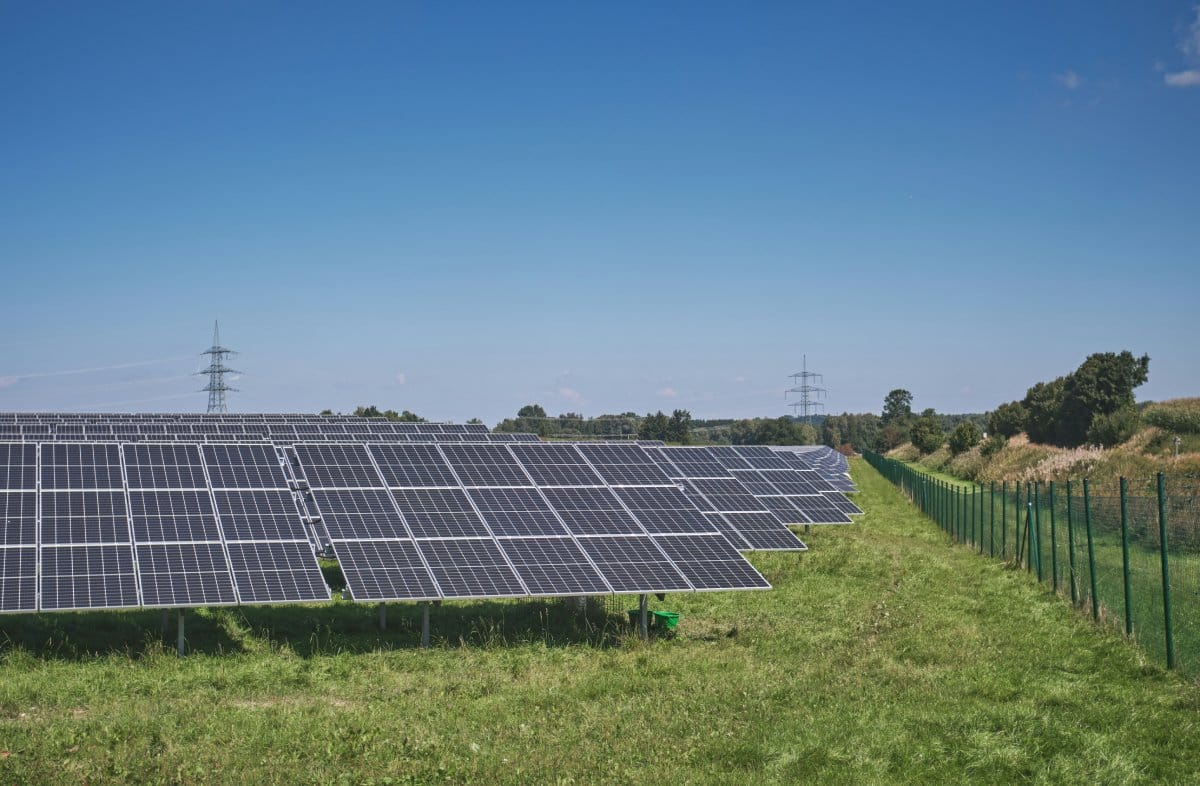
Large-scale solar installations require significant amounts of space. While residential rooftop systems are practical, utility-scale solar farms often need extensive land areas to generate substantial electricity.
Technological Advancements
The solar energy industry continues to evolve rapidly. Researchers are developing more efficient photovoltaic cells, advanced battery storage systems, and innovative solar panel designs. Modern panels are becoming lighter, more durable, and capable of generating more electricity from the same amount of sunlight.
Emerging technologies such as bifacial solar panels, which capture sunlight from both sides, and solar-integrated building materials are expanding the possibilities for solar energy adoption. These advancements are making solar power increasingly accessible and efficient.
The Future of Solar Panels
The future of solar energy appears extremely promising. Governments around the world are implementing policies and incentives to encourage renewable energy adoption. Businesses are investing heavily in clean energy technologies, while homeowners are increasingly recognizing the long-term financial and environmental benefits of solar installations.
As technology improves and costs continue to decline, solar panels are expected to become an even more common feature in homes, commercial buildings, and public infrastructure. Their role in reducing carbon emissions and promoting sustainable development will likely become even more significant in the coming decades.
Conclusion
Sola panels have transformed the way people think about energy production and consumption. By harnessing the power of the sun, they provide a clean, renewable, and cost-effective source of electricity. Although challenges such as installation costs and weather dependency remain, ongoing technological advancements are steadily overcoming these obstacles.
As societies strive for a more sustainable future, solar panels will continue to play a vital role in reducing environmental impact, enhancing energy security, and supporting economic growth. Their widespread adoption represents a positive step toward a cleaner, greener, and more sustainable world.