



Every machine depends on several parts that most people never notice. A single fastener, pin, or bushing can hold an entire structure together or let it come apart under heavy load. Small details in size, finish, and material decide whether an assembly performs reliably for years or fails at the worst possible moment, when you least expect it.
Selecting fasteners from established shoulder bolt manufacturers gives design teams confidence that each component meets the tight tolerances their specific application demands. That reliability reduces rework, lowers warranty claims, and keeps production lines moving without unplanned stoppages. When the smallest parts arrive correct and consistent, the larger system inherits that quality and performs exactly the way the original design intended.
Small Parts Carry the Weight of Big Failures
Tiny Components, Outsized Consequences: A loose bracket bolt or an undersized pin rarely announces itself early. The damage builds quietly through vibration, heat, and repeated loading until something finally gives way. By the time a failure surfaces, it has often spread to the surrounding parts, turning a low cost component into an expensive shutdown.
The Hidden Cost of Cutting Corners: Cheap fasteners look identical to quality ones on a shelf. The difference shows up under stress, when poor material or sloppy machining lets a joint slip. Maintenance teams then chase faults that trace back to a part worth a few pence, while the machine sits idle and orders pile up.
Reliability Starts Small: Designers who respect the role of minor components build a margin of safety into every joint. The right tensile strength rating for a bolt, matched to the load it carries, keeps the structure stable long after commissioning. Strong basics at the part level translate directly into trust at the assembly level.
Tolerances That Keep Machines From Drifting Apart
Why a Fraction of a Millimetre Matters: Dimensional accuracy decides whether mating parts fit the way the drawing promises. A bolt machined slightly oversized may bind in its hole, while an undersized one leaves play that invites movement. Both errors load the joint unevenly and shorten its working life, often without any obvious warning sign.
Consistency Across Every Batch: One accurate part means little if the next thousand drift out of spec. Repeatable production keeps every unit interchangeable, so assembly stays predictable and field repairs go smoothly. Tight process control here protects you from the slow chaos of parts that almost fit but never quite do.
Measurement You Can Repeat: Calibrated gauging turns good intentions into proven results. Each critical dimension gets checked against a known standard, so a part either passes or it does not. This discipline removes guesswork from the bench and stops borderline components from reaching your line, where they would quietly undermine the joints around them.
Several measurable factors separate a precision component from a passable one:
- Diameter and thread pitch are held within stated limits so parts mate without force.
- The surface finishes smooth enough to seat cleanly and resist early corrosion.
- Material certification confirming the alloy matches the strength the design needs.
- Heat treatment applied evenly so hardness stays consistent across the batch.
Shoulder Bolts at the Heart of Moving Assemblies
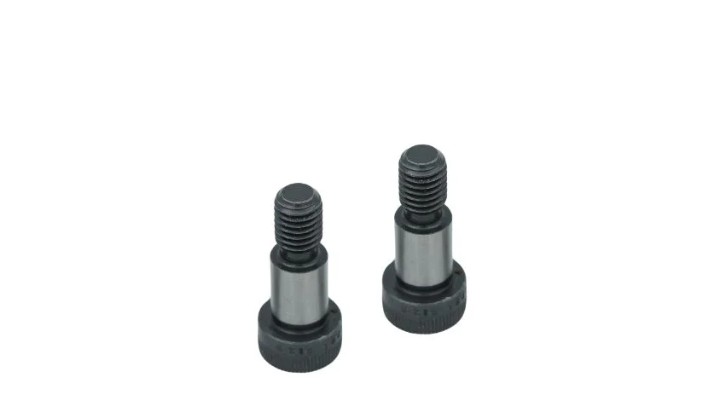
Where Pivot Points Live or Die: Shoulder bolts act as precise axles for rotating and sliding parts, from linkages to bearings. The smooth shoulder carries the load while the threaded end holds position. Get the shoulder length or diameter wrong and the moving part wobbles, wears its housing, and drags the whole mechanism out of alignment.
Built for Repeated Motion: Assemblies that cycle thousands of times each day punish weak components without mercy. A shoulder bolt with good fatigue resistance holds its shape through constant stress reversal, keeping clearances tight. That endurance separates a mechanism that runs clean for years from one that rattles loose by month three.
Alignment That Holds Under Pressure: A well made shoulder bolt keeps moving parts square to each other even as forces shift direction. That steadiness prevents the creeping misalignment that chews through bushings and seals. Mechanisms stay quiet, efficient, and predictable, which is exactly what operators want from equipment they cannot afford to babysit.
Manufacturing Discipline That Protects Uptime
Process Control From Bar to Box: Quality does not happen by chance at the bench. It comes from controlled machining, gauged inspection, and traceable material at every stage. When a supplier documents each step, you gain parts that behave the same way in the field as they did on the test bench, with far fewer surprises during service.
Choosing a Source You Can Trust: Long manufacturing experience tends to show in the details, the way threads are cut, edges deburred, and tolerances verified. Backing that with clear torque guidance and full specifications helps your team install parts correctly the first time. Reliability is built upstream, long before a component ever reaches your assembly.
Specifications That Travel With the Part: Clear documentation lets your engineers verify that what arrived matches what was ordered. Material grade, finish, and dimensional records give maintenance teams a reference long after installation. When questions arise during service, that paper trail answers them fast and keeps small doubts from becoming costly teardowns.
Build Assemblies That Stand the Test of Time
The strength of any machine traces back to the care taken with its smallest parts. Precision components hold tolerances, resist wear, and keep the whole structure honest under load. Treat fastener choice as a design decision, not an afterthought, and the reward shows as longer service life and less downtime. Choose precision components built for the real demands your application places on them.