



Introduction
In today’s fast-paced world, effective time management has become one of the most valuable skills a person can develop. Whether you are a student, professional, entrepreneur, or freelancer, managing your daily tasks efficiently can significantly impact your success. One of the most powerful tools for achieving this is scheduling.
Scheduling is the process of organizing tasks, activities, and responsibilities within a specific timeframe. By creating a structured plan for how time will be spent, individuals can improve productivity, reduce stress, and achieve their goals more effectively.
What Is Scheduling?
Scheduling involves planning activities and assigning them to particular times or dates. It provides a roadmap for daily, weekly, monthly, or even yearly activities.
A schedule may include:
- Work responsibilities
- School assignments
- Meetings and appointments
- Personal projects
- Exercise routines
- Family commitments
- Leisure activities
By organizing these activities in advance, individuals gain greater control over their time and resources.
Why Scheduling Matters
Many people underestimate how much time is lost due to poor planning. Without a schedule, important tasks can be forgotten, deadlines may be missed, and productivity often declines.
Scheduling offers several important benefits:
Improved Productivity
A well-planned schedule helps individuals focus on high-priority tasks. Rather than deciding what to do next throughout the day, a schedule provides clear direction and minimizes wasted time.
Better Time Management
Scheduling allows people to allocate appropriate amounts of time to various activities. This helps prevent overcommitting and ensures important responsibilities receive adequate attention.
Reduced Stress
Knowing what needs to be done and when it needs to be completed can significantly reduce anxiety. A schedule creates structure and eliminates uncertainty.
Enhanced Goal Achievement
Goals become more achievable when they are broken down into scheduled tasks. Consistent progress leads to long-term success.
Types of Scheduling
Different situations require different scheduling approaches.
Daily Scheduling
Daily schedules focus on tasks and activities that need to be completed within a single day. These schedules often include work assignments, appointments, and personal responsibilities.
Weekly Scheduling
Weekly schedules provide a broader overview of upcoming commitments. They help individuals balance workloads and prepare for important events.
Project Scheduling
Project scheduling is commonly used in business environments. It involves organizing tasks, deadlines, resources, and milestones required to complete a project successfully.
Team Scheduling
Organizations often use team scheduling to coordinate employee shifts, meetings, and collaborative activities.
Digital Scheduling Tools
Technology has transformed scheduling practices. Modern scheduling applications offer features that make time management more efficient than ever before.
Popular scheduling tools provide:
- Calendar integration
- Automated reminders
- Task tracking
- Shared schedules
- Meeting coordination
- Mobile accessibility
These features help users stay organized and avoid missing important deadlines or appointments.
Cloud-based scheduling solutions allow information to remain synchronized across multiple devices, ensuring access from anywhere.
Best Practices for Effective Scheduling
Creating a schedule is only the first step. To maximize effectiveness, certain best practices should be followed.
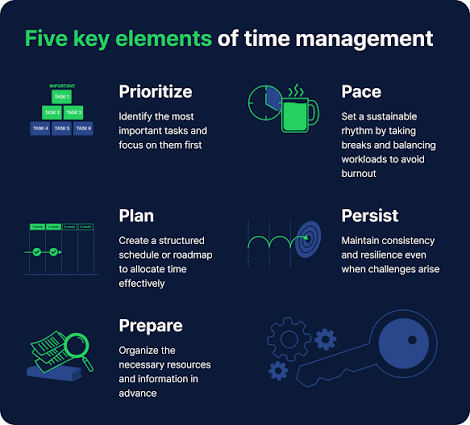
Prioritize Important Tasks
Not all tasks have equal importance. Identify high-priority activities and schedule them during periods of peak productivity.
Set Realistic Time Estimates
Many people underestimate the time required for tasks. Building realistic timelines helps prevent scheduling conflicts and frustration.
Include Breaks
Continuous work without breaks can reduce productivity and increase fatigue. Scheduled rest periods help maintain focus and energy levels.
Avoid Overloading Your Schedule
A schedule packed with back-to-back activities leaves little room for unexpected events. Allowing flexibility improves adaptability.
Review and Adjust Regularly
Schedules should be reviewed frequently to ensure they remain relevant and effective. Adjustments may be necessary as priorities change.
Scheduling in the Workplace
Businesses rely heavily on scheduling to maintain efficiency and coordination.
Workplace scheduling helps organizations:
- Manage employee availability
- Coordinate meetings
- Track project deadlines
- Allocate resources effectively
- Improve communication
Companies that implement effective scheduling practices often experience improved productivity, reduced operational costs, and better employee satisfaction.
Scheduling for Students
Students can benefit greatly from scheduling techniques.
Academic schedules help students:
- Track assignment deadlines
- Prepare for exams
- Balance study sessions
- Participate in extracurricular activities
- Manage personal responsibilities
Developing scheduling skills early in life can contribute to long-term academic and professional success.
Challenges of Scheduling
Although scheduling offers numerous benefits, certain challenges may arise.
Common obstacles include:
- Unexpected interruptions
- Changing priorities
- Poor time estimation
- Procrastination
- Lack of consistency
Overcoming these challenges requires discipline, flexibility, and regular schedule reviews.
Successful scheduling is not about creating a perfect plan. It is about creating a practical framework that can adapt to changing circumstances.
The Future of Scheduling
Artificial intelligence is beginning to transform scheduling systems.
Modern AI-powered scheduling tools can:
- Automatically arrange meetings
- Suggest optimal work times
- Analyze productivity patterns
- Prioritize tasks intelligently
- Predict scheduling conflicts
As technology continues to evolve, scheduling tools will become increasingly personalized and efficient.
Future systems may integrate seamlessly with communication platforms, project management software, and productivity applications to create fully automated planning environments.
Conclusion
Scheduling is one of the most effective strategies for improving productivity, reducing stress, and achieving personal and professional goals. By organizing tasks, prioritizing responsibilities, and managing time efficiently, individuals can gain greater control over their daily lives.
Whether using traditional planners or advanced digital scheduling tools, the principles remain the same: plan ahead, stay organized, and remain flexible. As technology continues to advance, scheduling will become even more powerful, helping people work smarter and accomplish more in less time.
Ultimately, successful scheduling is not just about managing time—it is about making the most of every opportunity and moving steadily toward long-term success.