



Introduction
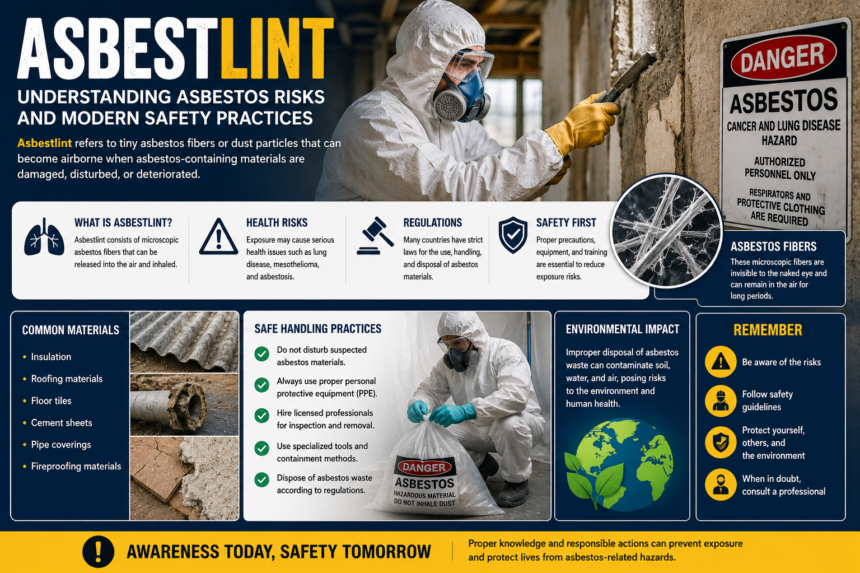
Asbestlint is a term often associated with asbestos dust, fibers, and particles that may become airborne during the handling, deterioration, or removal of asbestos-containing materials. For many decades, asbestos was widely used in construction, manufacturing, and industrial applications because of its heat resistance, durability, and insulating properties. However, scientific research later revealed that exposure to asbestos fibers can pose serious health risks.
Today, awareness of asbestos-related hazards has led to stricter regulations and improved safety standards. Understanding asbestlint and the risks associated with asbestos exposure is essential for homeowners, workers, businesses, and environmental professionals.
What Is Asbestlint?
Asbestlint generally refers to tiny asbestos fibers or dust particles released into the air from asbestos-containing materials. These fibers are extremely small and often invisible to the naked eye. When disturbed, asbestos products can release fibers that remain airborne for extended periods.
Common materials that historically contained asbestos include insulation, roofing materials, floor tiles, cement products, pipes, and fireproofing materials. As these materials age or become damaged, the risk of fiber release increases.
Historical Use of Asbestos
Throughout much of the twentieth century, asbestos was considered a highly valuable industrial material. Its resistance to heat, chemicals, and electrical conductivity made it useful in numerous applications.
Construction companies used asbestos in buildings, factories, schools, and homes. Industrial facilities relied on asbestos for insulation and fire protection. As a result, many older structures still contain asbestos-containing materials today.
Why Asbestos Became a Concern
Although asbestos offered practical benefits, medical research eventually linked exposure to serious health conditions. The primary danger comes from inhaling airborne asbestos fibers.
Once inhaled, these microscopic fibers can become trapped in the lungs and remain there for many years. Long-term exposure has been associated with respiratory illnesses and other health complications, leading governments worldwide to regulate or ban many asbestos products.
Health Risks Associated with Asbestos Exposure
The health effects of asbestos exposure often develop gradually and may not appear for decades. This delayed impact makes prevention especially important.
Potential health concerns linked to asbestos exposure include lung-related diseases and other respiratory conditions. The risk generally increases with higher levels of exposure and longer exposure periods.
Modern occupational safety programs emphasize minimizing contact with airborne fibers and ensuring proper handling of asbestos-containing materials.
Identifying Asbestos-Containing Materials
One of the challenges associated with asbestos is that it cannot always be identified through visual inspection alone. Many asbestos-containing materials resemble non-asbestos alternatives.
Professional testing and laboratory analysis are often necessary to confirm whether a material contains asbestos. Property owners should avoid disturbing suspicious materials until they have been properly assessed by qualified experts.
Safe Handling and Removal Practices
Safety is the most important consideration when dealing with asbestos-related materials. Specialized procedures are used to prevent fibers from becoming airborne during maintenance, renovation, or demolition projects.
Professional asbestos removal teams typically use protective equipment, controlled work areas, air filtration systems, and proper waste disposal methods. These precautions help reduce environmental contamination and protect workers and occupants.
Environmental Impact of Asbestos
Beyond human health concerns, asbestos can also affect the environment if not managed responsibly. Improper disposal may release fibers into surrounding areas, creating potential exposure risks.
Environmental regulations often require asbestos waste to be packaged, labeled, transported, and disposed of according to strict guidelines. These measures help prevent contamination and ensure public safety.
Modern Regulations and Safety Standards
Many countries have introduced comprehensive regulations governing the use, removal, and disposal of asbestos-containing materials. These laws are designed to protect workers, residents, and the environment.
Modern safety standards typically require risk assessments, certified removal procedures, employee training, and continuous monitoring during asbestos-related projects. Compliance with these regulations is essential for maintaining safe working conditions.
The Importance of Public Awareness
Education plays a vital role in reducing asbestos-related risks. Property owners, employers, and workers should understand how asbestos-containing materials behave and when professional assistance is necessary.
Public awareness campaigns have helped improve understanding of asbestos hazards and encouraged safer practices in construction, renovation, and facility management industries.
Future Approaches to Asbestos Management
Advances in technology continue to improve asbestos detection, monitoring, and removal techniques. Modern equipment allows professionals to identify contamination more accurately and implement safer remediation methods.
As older buildings undergo renovation and redevelopment, effective asbestos management will remain an important part of environmental and occupational safety programs worldwide.
Conclusion
Asbestlint highlights the importance of understanding asbestos-related risks and implementing proper safety measures. Although asbestos was once valued for its durability and heat resistance, growing awareness of its health and environmental impacts has transformed how it is managed today.
Through professional testing, responsible handling, strict regulations, and public education, communities can reduce exposure risks and create safer environments for future generations. As awareness continues to grow, effective asbestos management will remain a key priority in protecting public health and environmental safety.