



Introduction
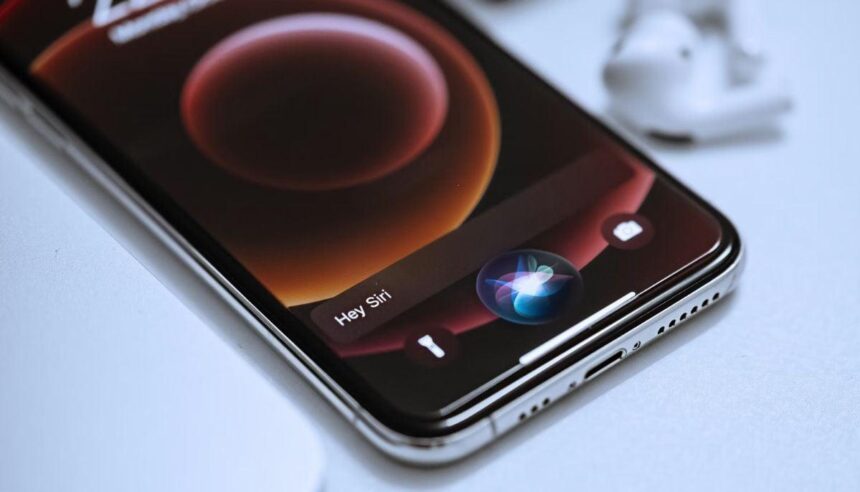
Apple Siri is one of the most recognizable voice assistants in the world. Introduced by Apple in 2011, Siri changed the way people interact with smartphones and digital devices. Instead of typing commands, users could simply speak to their devices and receive assistance instantly. Over the years, Siri has evolved from a basic voice-command tool into a sophisticated digital assistant that helps users manage tasks, control smart devices, find information, and improve productivity.
The Beginning of Siri
Siri first appeared on the iPhone 4S in October 2011. At the time, voice assistants were still a relatively new concept for mainstream consumers. Apple acquired Siri, Inc., a company that had developed the technology, and integrated it into iOS. The goal was to make smartphones more intuitive and accessible by allowing users to perform tasks through natural speech.
When Siri was first launched, it could send messages, make phone calls, set reminders, and answer basic questions. Although its capabilities were limited compared to today’s standards, it represented a major advancement in mobile technology.
How Siri Works
Siri uses artificial intelligence, natural language processing, and machine learning to understand spoken commands. When a user speaks to Siri, the system analyzes the request, interprets its meaning, and provides a relevant response or action.
For example, users can ask Siri to:
- Send text messages
- Make phone calls
- Set alarms and reminders
- Check the weather
- Provide directions
- Play music
- Search the web
- Control smart home devices
Siri is designed to understand conversational language, making interactions feel more natural than traditional command-based systems.
Integration Across Apple Devices
One of Siri’s greatest strengths is its deep integration within Apple’s ecosystem. Siri is available on a wide range of Apple products, including:
- iPhone
- iPad
- Mac computers
- Apple Watch
- AirPods
- HomePod
- Apple TV
This seamless integration allows users to access Siri from virtually any Apple device. For example, a reminder created on an iPhone can automatically appear on an Apple Watch, while HomePod users can control smart home accessories using voice commands.
Siri and Smart Home Control
As smart home technology has grown, Siri has become an important tool for managing connected devices. Through Apple’s HomeKit platform, Siri can control lights, thermostats, security cameras, door locks, and other compatible devices.
Users can simply say commands such as:
- “Turn off the living room lights.”
- “Set the temperature to 22 degrees.”
- “Lock the front door.”
This hands-free convenience has made Siri a valuable component of many smart homes.
Privacy and Security
Apple has consistently emphasized privacy as a key feature of Siri. Unlike some competing voice assistants, Apple focuses on minimizing data collection and protecting user information.
Many Siri requests are processed using technologies designed to reduce the amount of personal data associated with user interactions. Apple also provides users with options to manage Siri settings, control permissions, and review privacy preferences.
This focus on privacy has helped Siri maintain a strong reputation among users who value data protection and digital security.
Siri’s Role in Accessibility
Siri has significantly improved accessibility for people with disabilities. Voice commands allow users to interact with their devices without relying entirely on touchscreens or keyboards.
Individuals with mobility challenges, visual impairments, or other accessibility needs can use Siri to perform tasks more independently. Features such as voice control, dictation, and hands-free operation make Apple devices more inclusive and user-friendly.
Accessibility remains one of the most important areas where Siri continues to provide meaningful benefits.
Artificial Intelligence and Siri’s Future
Artificial intelligence has become increasingly important in the technology industry. As AI technology advances, Apple continues to improve Siri’s capabilities. Modern versions of Siri can better understand context, recognize different voices, and provide more personalized assistance.
Apple has also invested heavily in on-device machine learning, allowing certain Siri functions to work faster while enhancing privacy. Future developments may include more advanced conversational abilities, deeper app integration, and improved contextual awareness.
Industry experts expect voice assistants to become even more intelligent, capable of handling complex requests and managing a wider range of tasks across multiple devices.
Challenges and Competition
Despite its popularity, Siri faces strong competition from other digital assistants such as Google Assistant and Amazon Alexa. These competitors have often been praised for broader search capabilities and more advanced conversational features.
As a result, Apple continues to refine Siri to remain competitive. Regular software updates introduce new features, improve voice recognition accuracy, and enhance overall user experience.
The rapid pace of AI innovation means that Siri must continuously evolve to meet changing consumer expectations.
The Impact of Siri on Technology
Siri helped popularize voice assistants and demonstrated how artificial intelligence could be integrated into everyday life. Before Siri, interacting with technology primarily involved keyboards, touchscreens, and manual input. Siri introduced a more natural way to communicate with devices using spoken language.
Today, voice assistants are common across smartphones, smart speakers, vehicles, and household appliances. Siri played a significant role in establishing this trend and influencing the future direction of consumer technology.
Conclusion
Apple Siri remains one of the most influential digital assistants ever created. Since its introduction in 2011, it has transformed how people interact with technology by making voice control accessible and practical. Through continuous improvements in artificial intelligence, privacy protection, accessibility, and smart home integration, Siri continues to serve millions of users worldwide.
As Apple expands its AI capabilities and enhances its ecosystem, Siri is expected to become even more intelligent, efficient, and helpful. Its journey reflects the broader evolution of digital assistants and highlights the growing role of artificial intelligence in everyday life.