



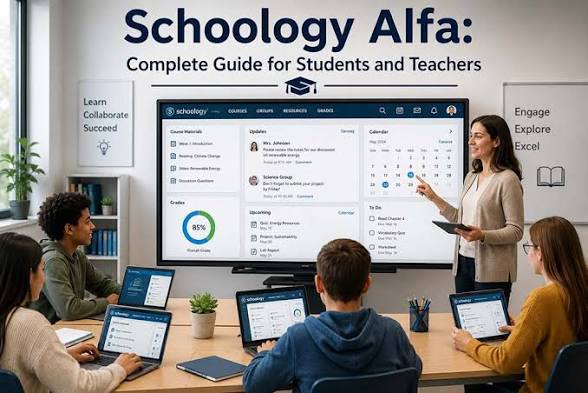
Introduction
Education has undergone a remarkable transformation in recent years, driven by technological innovation and the growing demand for flexible learning solutions. Traditional classrooms are increasingly being complemented by digital platforms that enhance communication, collaboration, and access to educational resources. Among these modern educational technologies, Schoology Alfa represents a new generation of learning management systems designed to improve the educational experience for students, teachers, and parents alike.
As schools and educational institutions embrace digital learning, platforms like Schoology Alfa are becoming essential tools for managing coursework, tracking student progress, and creating interactive learning environments. These systems help bridge the gap between traditional teaching methods and the digital expectations of today’s learners.
The Evolution of Digital Education
The concept of online learning has evolved significantly over the past decade. Initially, digital education platforms served primarily as repositories for course materials. Teachers uploaded assignments, and students downloaded resources. However, modern learning management systems offer far more sophisticated capabilities.
Today’s educational platforms provide comprehensive ecosystems where students can participate in discussions, submit assignments, receive feedback, take assessments, and collaborate with classmates. Schoology Alfa exemplifies this evolution by integrating multiple educational functions into a single, user-friendly platform.
The shift toward digital learning accelerated dramatically as educational institutions recognized the need for flexible and accessible learning solutions. As a result, platforms like Schoology Alfa have become central components of modern education strategies.
Key Features of Schoology Alfa
One of the primary strengths of Schoology Alfa is its ability to streamline educational processes. Instead of managing multiple applications and communication channels, teachers and students can access everything they need through a single platform.
Some of the most valuable features include:
Course Management
Teachers can organize course materials, create lesson plans, upload resources, and structure learning content efficiently. This centralized approach helps students locate information quickly and stay organized throughout the academic term.
Assignment Submission
Students can submit homework, projects, and assignments digitally. This eliminates the need for paper-based submissions and simplifies the grading process for educators.
Communication Tools
Effective communication is critical for successful learning. Schoology Alfa provides messaging systems, discussion boards, announcements, and collaboration features that keep students, teachers, and parents connected.
Assessment and Grading
Teachers can create quizzes, tests, and assessments directly within the platform. Automated grading options save time while providing immediate feedback to students.
Progress Tracking
Students and parents can monitor academic performance through real-time grade updates and progress reports. This transparency encourages accountability and supports educational success.
Benefits for Students
Modern students are increasingly comfortable using technology in their daily lives. Educational platforms leverage this familiarity to create engaging and interactive learning experiences.
Schoology Alfa offers several advantages for students:
- Easy access to course materials
- Flexible learning opportunities
- Improved organization and time management
- Faster feedback from instructors
- Enhanced collaboration with classmates
- Mobile accessibility for learning on the go
These benefits help students take greater ownership of their education while developing valuable digital literacy skills that are essential in today’s workforce.
Advantages for Teachers
Educators face numerous responsibilities, including lesson planning, grading, communication, and student support. Digital learning management systems help reduce administrative burdens while improving instructional effectiveness.
Teachers using Schoology Alfa can:
- Manage multiple classes efficiently
- Automate repetitive tasks
- Provide personalized feedback
- Track student engagement
- Access detailed performance analytics
- Facilitate collaborative learning activities
By streamlining these processes, teachers can devote more time to instruction and student development.
Parent Engagement and Involvement
Parental involvement plays a crucial role in student success. Schoology Alfa supports parent engagement by providing visibility into student progress and classroom activities.
Parents can monitor assignments, view grades, receive announcements, and communicate with teachers when necessary. This increased transparency strengthens the partnership between schools and families, creating a more supportive learning environment.
When parents remain informed about academic expectations and performance, they are better equipped to help their children achieve educational goals.
The Role of Technology in Future Education
Technology continues to reshape the educational landscape. Artificial intelligence, adaptive learning systems, virtual classrooms, and personalized educational experiences are becoming increasingly common.
Platforms like Schoology Alfa are well-positioned to support these innovations. By providing flexible digital infrastructure, learning management systems can adapt to evolving educational needs and emerging technologies.
Future developments may include AI-powered tutoring, predictive analytics, personalized learning pathways, and enhanced virtual collaboration tools. These advancements have the potential to make education more accessible, engaging, and effective for learners around the world.
Challenges and Considerations
While digital learning platforms offer many advantages, educational institutions must also address certain challenges. Reliable internet access, cybersecurity concerns, teacher training, and digital equity remain important considerations.
Schools must ensure that all students have access to the necessary technology and resources. Additionally, educators require ongoing professional development to maximize the benefits of digital learning tools.
By addressing these challenges proactively, institutions can create inclusive and effective learning environments that serve diverse student populations.
Conclusion
Schoology Alfa represents the growing importance of digital learning management systems in modern education. By combining course management, communication tools, assessment capabilities, and progress tracking into a single platform, it helps students, teachers, and parents work together more effectively.
As technology continues to transform education, platforms like Schoology Alfa will play an increasingly significant role in supporting academic success and lifelong learning. Their ability to enhance accessibility, improve organization, and foster collaboration makes them valuable assets in the evolving educational landscape.
The future of education is digital, connected, and student-centered, and Schoology Alfa reflects this exciting transformation.