



Introduction
In today’s fast-paced digital environment, identity verification and secure access management have become more important than ever. Businesses, educational institutions, healthcare providers, and government organizations all require reliable methods to verify users and protect sensitive information. One term that has gained attention in this context is Wake ID. While the exact meaning of Wake ID can vary depending on the platform or organization using it, the concept generally revolves around digital identification, secure authentication, and streamlined access to online services.
This article explores what Wake ID is, how it works, its benefits, common applications, and why digital identity solutions are becoming essential in the modern world.
What Is Wake ID?
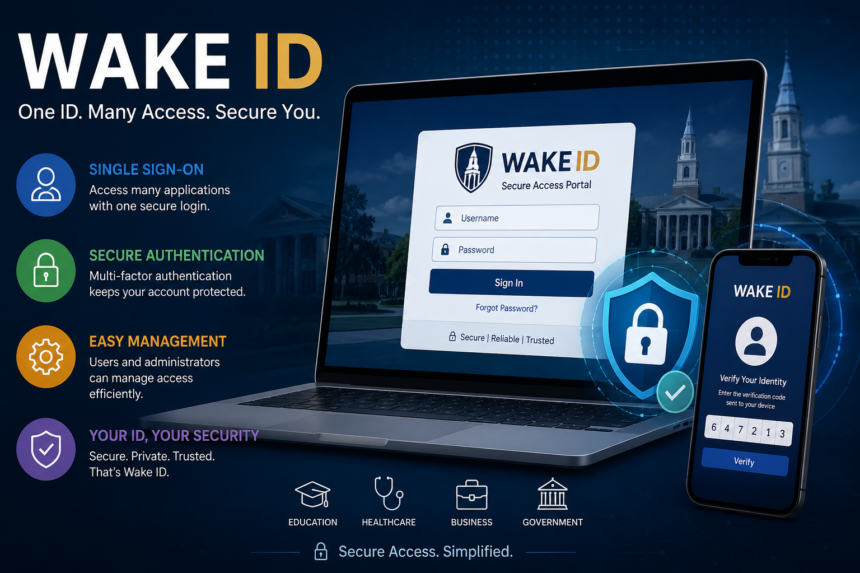
Wake ID: Understanding Its Purpose, Features, and Importance in the Digital Worldis typically a digital identification system designed to help users access services securely through a single identity. Instead of managing multiple usernames and passwords for different platforms, users can rely on a centralized identity solution that simplifies authentication and improves security.
Digital identity systems like Wake ID are often used by organizations to provide secure access to applications, websites, and internal resources. These systems help verify that users are who they claim to be while reducing the risks associated with unauthorized access.
As technology continues to evolve, identity management tools have become critical for maintaining privacy, security, and operational efficiency.
How Wake ID Works
Wake ID generally functions as a secure authentication platform. The process usually includes the following steps:
1. User Registration
A user creates an account by providing personal or organizational information. This information is stored securely and linked to the user’s digital identity.
2. Identity Verification
The system verifies the user’s identity through various methods. Depending on the platform, this may involve email confirmation, phone verification, security questions, or multi-factor authentication.
3. Secure Login
Once registered, users can access connected services using their Wake ID credentials. This eliminates the need to remember multiple login details.
4. Access Management
Administrators can manage permissions and determine which resources users can access. This helps organizations maintain security and control over sensitive information.
Key Features of Wake ID
Digital identity solutions often include several important features that improve usability and security.
Single Sign-On (SSO)
One of the most valuable features is Single Sign-On. With SSO, users can log in once and access multiple applications without repeatedly entering credentials.
Multi-Factor Authentication (MFA)
Wake ID systems may support MFA, requiring users to provide additional verification factors beyond a password. This significantly enhances account security.
Centralized Identity Management
Organizations can manage all user identities from a single platform, making administration more efficient.
Security Monitoring
Many identity platforms include monitoring tools that detect suspicious login attempts or unusual account activity.
User-Friendly Experience
A well-designed identity system reduces login frustrations while maintaining strong security standards.
Benefits of Using Wake ID
There are numerous advantages to implementing a digital identity system like Wake ID.
Enhanced Security
Cybersecurity threats continue to increase worldwide. Wake ID helps protect accounts through secure authentication methods and access controls.
Improved User Experience
Users no longer need to remember multiple passwords or manage separate accounts for various services.
Reduced Administrative Work
IT departments can simplify account management and reduce the workload associated with password resets and access requests.
Better Compliance
Many industries must comply with strict data protection regulations. Identity management systems help organizations meet these requirements.
Increased Productivity
Employees and users spend less time dealing with login issues and more time focusing on important tasks.
Common Applications of Wake ID
Wake ID or similar digital identity systems can be used in many sectors.
Education
Schools, colleges, and universities often use identity platforms to provide students and staff with secure access to learning resources, email accounts, and administrative systems.
Healthcare
Healthcare organizations require secure access to patient records and medical information. Digital identity solutions help maintain confidentiality and compliance.
Business and Enterprise
Companies use identity management platforms to control employee access to internal systems, cloud applications, and sensitive data.
Government Services
Government agencies increasingly rely on digital identity systems to provide secure online services for citizens.
Financial Services
Banks and financial institutions use advanced authentication systems to protect customer accounts and prevent fraud.
Challenges and Considerations
Although Wake ID offers many benefits, organizations should also consider potential challenges.
Privacy Concerns
Users may worry about how their personal information is stored and used. Transparency and strong data protection policies are essential.
Implementation Costs
Deploying a comprehensive identity management system can require significant investment in technology and training.
User Adoption
Organizations must ensure users understand how to use the system effectively and securely.
Evolving Security Threats
Cybercriminals continually develop new attack methods. Identity platforms must be updated regularly to remain effective.
The Future of Digital Identity Solutions
The future of digital identity management looks promising. Emerging technologies such as artificial intelligence, biometric authentication, and decentralized identity systems are transforming how users verify themselves online.
Biometric methods such as fingerprint scanning, facial recognition, and voice authentication are becoming increasingly popular because they offer both convenience and security. At the same time, organizations are exploring passwordless authentication systems that reduce reliance on traditional passwords.
As digital transformation continues across industries, solutions like Wake ID are expected to play an even greater role in protecting users and enabling secure access to online services.
Conclusion
Wake ID represents the growing importance of secure digital identity management in an increasingly connected world. By simplifying authentication, enhancing security, and improving user experiences, identity solutions help organizations protect valuable information while making access more convenient.
Whether used in education, healthcare, government, or business environments, Wake ID demonstrates how modern technology can address the challenges of digital security and identity verification. As cyber threats continue to evolve, reliable identity management systems will remain a vital component of successful digital operations.