



Introduction
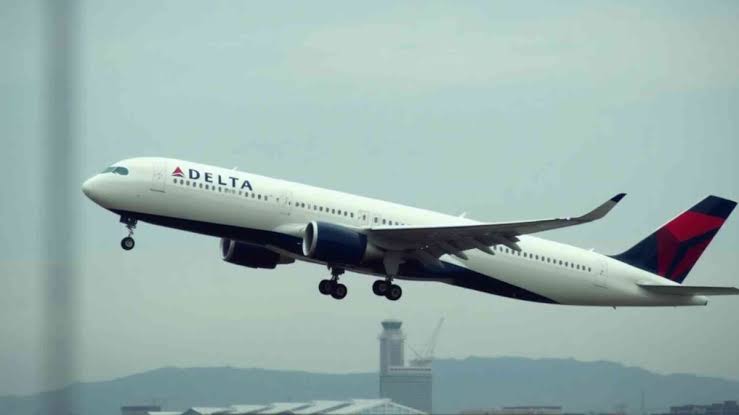
Air travel is one of the safest forms of transportation in the world, but unexpected situations can still occur during long-distance flights. One recent incident that attracted attention was Delta Flight DL275 being diverted to Los Angeles International Airport (LAX). The event sparked discussions among travelers, aviation enthusiasts, and industry experts who wanted to understand what happened and why the diversion was necessary.
Delta Flight DL275 was operating a long-haul international route when the flight crew made the decision to divert the aircraft to LAX instead of continuing toward its scheduled destination. While flight diversions can sound alarming, they are often precautionary measures taken to ensure the safety of passengers and crew members.
Understanding Flight Diversions
A flight diversion occurs when an aircraft lands at an airport different from its originally planned destination. Airlines and pilots do not make these decisions lightly. Diversions usually happen because of factors such as mechanical concerns, medical emergencies, severe weather conditions, security issues, or operational requirements.
In the case of Delta Flight DL275, reports suggested that the diversion was related to a technical issue that required immediate attention. Aviation safety procedures are designed to prioritize passenger well-being above all else, which means that even a minor concern can lead to a precautionary landing.
What Happened on Delta Flight DL275?
According to multiple aviation reports, Delta Flight DL275 was traveling on a transpacific route when the crew detected a potential issue involving the aircraft’s engine anti-ice system. This system plays a critical role during long flights at high altitudes by preventing ice accumulation on important engine components.
When cockpit monitoring systems indicated irregular readings, the flight crew followed established safety procedures. Rather than continuing across a large section of the Pacific Ocean, the pilots decided that diverting to Los Angeles International Airport was the safest course of action.
The aircraft landed safely at LAX, where maintenance teams were ready to inspect the plane and determine the exact cause of the issue. Reports indicated that there were no injuries and no emergency evacuation was required. Passengers remained safe throughout the incident.
Why LAX Was Chosen
Many people wondered why Los Angeles International Airport was selected as the diversion point. The answer lies in the airport’s capabilities.
LAX is one of the largest airports in the United States and serves as a major hub for international operations. The airport has extensive maintenance facilities, long runways capable of handling large aircraft, experienced technical personnel, and resources needed to support passengers during unexpected disruptions.
For an aircraft operating a long-haul international route, choosing an airport with strong maintenance support is often the most practical and safest option. This allows engineers to inspect the aircraft immediately and helps the airline arrange accommodations or alternative travel plans for affected passengers.
Passenger Experience During the Diversion
Although diversions can be stressful, airlines train their crews to manage these situations professionally. Passengers on Delta Flight DL275 were reportedly informed about the change in plans and received updates from the flight crew during the journey.
When a flight is diverted, airlines typically work to minimize inconvenience by providing assistance such as rebooking flights, arranging hotel accommodations when necessary, and offering meal vouchers. While delays can be frustrating, most travelers understand that safety decisions are made in their best interest.
For many passengers, the safe landing at LAX provided reassurance that the airline and flight crew were handling the situation responsibly.
The Importance of Aircraft Safety Systems
Modern aircraft are equipped with sophisticated monitoring systems that continuously evaluate engine performance, fuel systems, navigation equipment, and other critical components. These systems can detect potential problems long before they become serious threats.
In the case of Delta Flight DL275, the reported anti-ice system concern demonstrated how advanced technology helps pilots make informed decisions. Even when an aircraft remains fully operational, warning indicators may prompt crews to seek maintenance support as a precaution.
This proactive approach is one reason commercial aviation maintains such a strong safety record worldwide.
Financial and Operational Impact
A flight diversion can have significant consequences for an airline. Additional fuel costs, airport fees, maintenance inspections, passenger accommodations, and schedule disruptions can all add up quickly.
However, airlines consistently place safety ahead of operational costs. The expense of a diversion is considered worthwhile if it reduces risk and ensures passenger protection. For carriers such as Delta Air Lines, maintaining safety standards is essential for both customer trust and regulatory compliance.
Lessons from the Incident
The diversion of Delta Flight DL275 serves as an example of how modern aviation safety procedures work in practice. Rather than waiting for a problem to worsen, flight crews are trained to respond immediately to any indication that requires attention.
Passengers can take comfort in knowing that diversions are not signs of failure but evidence that safety systems, crew training, and airline protocols are functioning as intended. Every decision made during a flight is guided by the principle of protecting everyone on board.
Conclusion
Delta Flight DL275’s diversion to LAX became a widely discussed aviation event because it highlighted the importance of safety in modern air travel. Reports suggest that a potential technical issue led the crew to choose Los Angeles as a precautionary landing point, allowing the aircraft to receive immediate inspection and support.
While the diversion caused delays and disruptions, the incident demonstrated how airlines, pilots, maintenance teams, and airport staff work together to manage unexpected situations effectively. Most importantly, the aircraft landed safely, passengers remained secure, and aviation safety procedures performed exactly as they were designed to do.